
Though Tressa Middleton’s story was widely publicized at the time, questions linger about the circumstances surrounding her early pregnancy.
Investigators, social workers, and advocacy groups have highlighted unresolved issues regarding oversight, support systems, and possible failures in child protection, leaving the public wondering whether all aspects of her situation were fully understood or reported.
Early Life and Challenges
Tressa Middleton was born in 1994 in Broxburn, Scotland. From an early age, her life was marked by instability, poverty, and neglect. By age four, social services had intervened, and she was taken into care.
However, the years that followed offered little consistency: frequent moves, inadequate supervision, and ongoing emotional insecurity defined her childhood.
She later recounted experiences of homelessness, chronic hunger, and living in unheated apartments during harsh Scottish winters. Daily life often revolved around survival rather than normal childhood routines. Alcohol entered her life as a coping mechanism at a young age, reflecting deeper trauma rather than rebellion.
Early Pregnancy
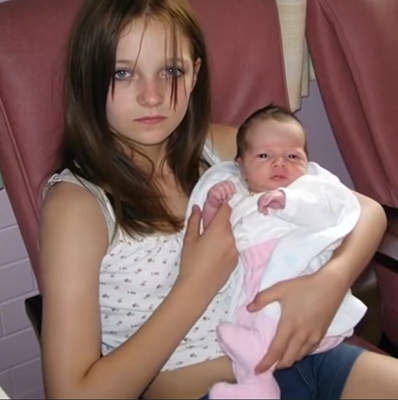
At just 11 years old, Tressa became pregnant as a result of abuse. By the time she gave birth at 12 years and 8 months, she had already endured years of hardship. Her daughter, Annie, made Tressa Britain’s youngest known mother at the time, drawing enormous media attention. Headlines focused on her age and the circumstances of her pregnancy, often neglecting context about her background or the systemic failures that allowed such abuse to occur.
During this period, Tressa publicly stated that the father of her child was a local boy—a claim widely accepted in the press, though it concealed a far more disturbing truth. Navigating fear, shame, and public scrutiny, she faced pressures no child should bear. Experts later emphasized that victims of abuse often remain silent or provide misleading accounts, particularly when the perpetrator is a family member.
Revelation and Legal Action
Two years after Annie’s birth, social services removed her from Tressa’s care due to concerns over Tressa’s mental health and ability to provide a safe environment. In 2009, Tressa revealed that she had been s*xually abused by her older brother, who was, in fact, the father of her child. DNA testing confirmed the abuse, and her brother was subsequently convicted and sentenced to a lengthy prison term.
Though the legal outcome formally acknowledged the crime, it could not undo years of emotional trauma. Following the trial, Tressa struggled with severe heroin addiction, which she described as a way to numb emotional pain. Recovery was neither immediate nor linear, and support systems remained limited.
Recovery and Stability
Over time, Tressa began to rebuild her life. She found stability through personal relationships and external support, including a partner named Darren, who offered encouragement and safety. With this foundation, she gradually entered recovery and started addressing the long-term effects of abuse, neglect, and addiction.
Conclusion
Tressa Middleton’s story is a sobering reminder of the complex interplay between childhood trauma, systemic failures, and media scrutiny. From being Britain’s youngest known mother to surviving abuse and addiction, her journey highlights both the vulnerability of children in unsafe environments and the resilience of those who overcome profound adversity.
While the headlines focused on age and sensational details, Tressa’s experience underscores the importance of context, protection, and sustained support for vulnerable youth.