
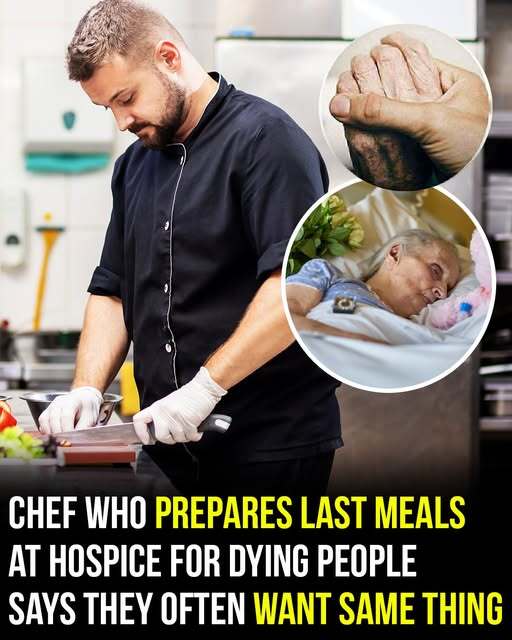
In a hospice, food is never just food. It is memory, identity, comfort, and sometimes the last remaining pleasure a person can still access when so much else has been taken by illness. When people approach the end of life, their relationship with eating changes dramatically. Appetite fades, taste alters, strength diminishes, and yet the emotional pull of certain foods often grows stronger, not weaker. What patients ask for in their final days is rarely about nutrition alone. It is about who they have been, what they have loved, and what made them feel safe in the world.
At Sobell House Hospice in Oxfordshire, chef Spencer Richards has spent years preparing meals for people in the final chapter of their lives. His work exists at the intersection of culinary skill and deep empathy. He is not just feeding bodies; he is tending to stories, memories, and dignity. Through thousands of conversations, adjustments, and carefully prepared plates, one pattern has emerged again and again. When patients are asked what they want most, when appetite is limited and time is short, there is one category of food that appears more than any other.
It is not expensive.
It is not exotic.
It is not nutritionally optimized.
It is comfort food.
And more specifically, it is often simple, nostalgic, emotionally loaded comfort food tied to childhood, family, and moments of feeling cared for.
Why Food Takes on New Meaning at the End of Life
As people approach death, priorities shift. Achievement, productivity, and social status fade into the background. What remains are sensations and memories that provide reassurance and connection. Food becomes one of the few remaining bridges to those experiences.
In hospice settings, patients frequently experience:
Reduced appetite
Difficulty swallowing
Heightened sensitivity to taste
Nausea or dry mouth from medication
Fatigue that makes eating exhausting
Because of this, meals are often small. But what they lack in quantity, they gain in meaning.
A single spoonful of a familiar dish can evoke decades of memory. The smell of a certain food can transport someone back to a childhood kitchen, a family table, or a moment of love and safety. For someone facing the end of life, that emotional transport is invaluable.
The Comfort Food Patients Ask for Most Often
Despite wide differences in age, background, and diagnosis, Spencer Richards noticed a recurring theme. When patients were able to request a final favorite, the answer was rarely something elaborate.
More often than not, they asked for:
A traditional roast dinner
Mashed potatoes with gravy
Pudding or dessert, especially sponge cake or custard
A simple birthday cake
Familiar childhood sweets
Warm, soft foods associated with care and celebration
Among these, cake emerged as one of the most frequently requested items, particularly birthday cake, even for patients who had never celebrated one before.
This may seem surprising at first. Why cake? Why sweetness, especially when appetite is low and taste may be altered?
The answer lies not in sugar or calories, but in symbolism.
Cake as a Symbol of Celebration and Belonging
Cake is rarely eaten alone. It is associated with:
Birthdays
Family gatherings
Milestones
Being seen and celebrated
For patients who have lived long lives marked by hardship, routine, or self-sacrifice, cake represents something they may have denied themselves. For others, it is tied to childhood joy or moments of being cherished.
One of the most poignant stories Richards shares is that of a 93-year-old woman who had never had a birthday celebration. Not once. When he learned this, he made her a cake. The reaction was immediate and overwhelming. She cried. She smiled. She felt seen.
In that moment, the cake was not dessert. It was recognition.
Comfort Food as Identity, Not Indulgence
In hospice care, the concept of “healthy eating” changes. The goal is no longer longevity, weight management, or disease prevention. The goal becomes comfort, dignity, and emotional well-being.
Patients’ requests are often deeply personal:
Foods their mother used to make
Dishes tied to cultural identity
Street food that reminds them of youth
Simple meals eaten during happier times
One young patient, just 21 years old, struggled to engage with the standard hospice menu. Nutritionally balanced meals held no appeal. Through conversation, Richards learned that the patient loved street food. Bold flavors. Familiar indulgence. Food associated with freedom and life outside hospital walls.
By adapting meals to match those preferences, Richards did more than satisfy hunger. He restored a sense of self.
Why Simple Foods Matter More Than Gourmet Ones
At the end of life, complexity can be overwhelming. Strong spices, unfamiliar textures, and rich combinations may be difficult to tolerate. Simple foods offer:
Predictable flavors
Gentle textures
Emotional familiarity
A sense of safety
Mashed potatoes, soft cakes, puddings, soups, and roasts are not chosen because patients lack imagination. They are chosen because these foods require little effort to eat and carry immense emotional weight.
They are foods associated with being looked after.
The Role of Texture and Adaptation
Many terminally ill patients experience dysphagia, or difficulty swallowing. This requires careful modification of food texture without stripping away pleasure or dignity.
Richards adapts by:
Creating soft, moist versions of favorite foods
Using purees that retain flavor and aroma
Layering pureed foods to resemble traditional dishes
Enhancing flavor with herbs rather than salt
Offering small portions to avoid fatigue
The goal is not to force nutrition, but to invite enjoyment.
A spoonful of a well-prepared pudding can offer more comfort than a full plate of food that feels like a chore.
Taste Changes and the Pull Toward Sweetness
Many patients undergoing cancer treatment or taking strong medications experience altered taste. Bitter and metallic sensations are common, while sweet flavors often remain more tolerable.
This is another reason desserts, cakes, and puddings are frequently requested. Sweetness cuts through unpleasant tastes and provides a sense of pleasure when other foods fail.
Importantly, this is not about “giving in.” At this stage of life, pleasure is not a luxury. It is care.
Food as Emotional Care, Not Just Nutrition
In hospice settings, food often becomes one of the last remaining choices patients can make for themselves. That choice carries power.
Being asked:
“What would you like to eat?”
And having that answer respected, carries profound meaning.
It tells the patient:
You matter
Your preferences matter
Your history matters
You are still an individual, not just a diagnosis
Richards describes each meal as an act of advocacy. He is speaking for the patient when their voice may be weak, honoring their identity when illness threatens to erase it.
Supporting Families Through Food
Hospice meals do not only affect patients. They also shape the experience of families and caregivers.
When a loved one smiles over a favorite food, it offers relief. It creates a moment of normalcy in an otherwise painful time. Shared meals become memories families carry forward long after loss.
Birthday cakes, holiday meals, and comfort foods allow families to celebrate life even as they prepare to say goodbye.
For caregivers, seeing their loved one enjoy food can feel like a small victory against the helplessness that often accompanies terminal illness.
The Kitchen as a Place of Humanity
In many institutions, kitchens are functional spaces. In hospice care, they become something else entirely.
They are places where:
Memories are honored
Wishes are fulfilled
Celebrations happen quietly
Care is expressed without words
Richards approaches his work with the understanding that each plate may be someone’s last. That awareness shapes every decision, from ingredient choice to presentation.
Even when portions are small, care is evident.
Why These Requests Matter More Than Medicine Sometimes Can
Medicine can manage pain. It can extend time. But it cannot always provide comfort in the way food can.
A familiar taste can:
Reduce anxiety
Trigger positive memories
Restore a sense of normalcy
Provide pleasure without side effects
These effects may be temporary, but they are meaningful.
In the final days of life, moments matter more than outcomes.
The Universal Pattern Behind Final Food Requests
Across cultures and ages, one theme repeats: people reach for what made them feel safe when they were young.
Comfort food is not about indulgence. It is about regression to a time before responsibility, illness, and loss.
It is about returning, briefly, to a place of being cared for.
That is why the most requested foods are often:
Soft
Warm
Sweet
Familiar
Emotionally charged
Dignity Through Choice
One of the quiet tragedies of terminal illness is loss of autonomy. Food choice becomes one of the last domains where agency remains.
Honoring those choices is not trivial. It is an affirmation of humanity.
When Richards bakes a cake for someone who never had one, he is not just baking. He is restoring something that was missing.
Legacy Through Taste
Families often remember what their loved one ate in their final days. A favorite dessert. A last shared meal. A cake that brought tears and smiles.
These memories endure.
Food becomes part of a person’s legacy, woven into the story families tell about how their loved one was cared for at the end.
Final Reflection
The comfort food most frequently requested by hospice patients is not about nutrition, indulgence, or tradition alone. It is about memory, love, and identity.
It is about being seen as a whole person until the very end.
In honoring these requests, hospice chefs like Spencer Richards do something extraordinary. They transform cooking into care, and meals into moments of dignity.
In a world that often rushes past the vulnerable, these small acts remind us of something essential: even at the end of life, joy matters. Comfort matters. And sometimes, a simple slice of cake can carry more meaning than words ever could.