
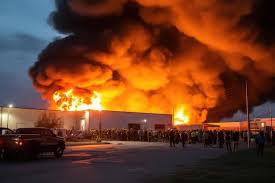
In a devastating turn of events, authorities have confirmed that at least 300 homes have been damaged or destroyed following a massive fire that swept through [Location]. Residents, first responders, and local authorities are grappling with the enormity of the situation as smoke still lingers in the sky and the scale of destruction becomes apparent.
This fire is more than a statistic. It is a story of human lives disrupted, communities tested, and the resilience that emerges in times of crisis. This article is structured as a recipe — a detailed, step-by-step narrative exploring the incident, response, and lessons learned.
A Recipe for Understanding a Large-Scale Fire Disaster
Yield
Community awareness, insight into emergency response, and understanding the human impact of disaster.
Preparation Time
Hours for the fire to spread, days for emergency response, and weeks or months for recovery.
Difficulty Level
Extreme — physically dangerous, emotionally charged, and socially complex.
Ingredients
The fire, massive, destructive, and unpredictable
Homes and property, impacted by flames, smoke, and water damage
Residents, displaced, injured, or mourning loss
First responders, including firefighters, police, and medical personnel
Emergency management systems, coordinating evacuation and containment
Media coverage, reporting developments and safety information
Social media, amplifying awareness, requests for help, and updates
Community support, volunteers, shelters, and donations
Time, critical for containment, recovery, and reflection
Resilience and hope, sustaining affected families and responders
Step 1: The Fire Ignites
Every large-scale fire begins with a spark:
The exact cause may be under investigation — whether electrical, accidental, or natural
Smoke is visible from miles away, triggering alarms and concern
Residents report seeing flames engulfing homes and vegetation
The ignition is the first layer — sudden, uncontrollable, and alarming.
Step 2: Rapid Emergency Response
Authorities mobilize immediately:
Firefighters arrive in full force, deploying hoses, water tankers, and fire retardants
Police manage road closures, evacuations, and public safety
Medical teams prepare for casualties and potential injuries
Rapid response is the backbone of the recipe — prioritizing life over property.
Step 3: Evacuations and Safety Measures
Safety measures are critical to minimize harm:
Families are evacuated from homes in immediate danger
Emergency shelters open for displaced residents
Vulnerable populations, including children, elderly, and pets, are given priority
Evacuation is the seasoning — essential to preserve human life amid chaos.
Step 4: Eyewitness Accounts
Local residents provide real-time accounts:
Videos and images of flames, smoke, and destruction spread on social media
Eyewitnesses describe heroic acts, evacuations, and first-responder bravery
Accounts highlight both fear and resilience in the face of disaster
Eyewitness perspectives add texture, making the story human and relatable.
Step 5: Firefighting Challenges
Large fires present unique obstacles:
High winds and dry conditions accelerate the spread of flames
Limited water access or blocked roads complicate firefighting efforts
Smoke and toxic fumes endanger both residents and responders
Understanding these challenges is the slow-cooked ingredient — showing the complexity of managing large-scale disasters.
Step 6: Media Coverage
Media plays a critical role in information dissemination:
Updates on containment progress, road closures, and evacuation shelters
Verified information prevents panic and guides public action
Stories of heroism, community support, and rescue operations humanize the tragedy
Media is the whisk — blending facts, context, and human stories.
Step 7: Community Solidarity
Even amid disaster, communities unite:
Neighbors assist with evacuations and temporary housing
Volunteers distribute food, water, and first aid
Local organizations coordinate support and donations
Community solidarity is the flavoring — turning tragedy into shared resilience.
Step 8: Estimating Damage
Authorities begin assessing the impact:
At least 300 homes reported damaged or destroyed
Infrastructure, vehicles, and personal belongings affected
Insurance and relief efforts mobilized to support residents
Damage assessment is the simmering layer — revealing the scale and long-term implications.
Step 9: Psychological Impact
Fires affect more than property:
Families experience grief, trauma, and shock
Children struggle to process sudden loss
First responders endure high-stress, emotionally taxing conditions
Emotional care is the essential ingredient alongside physical safety.
Step 10: Social Media and Digital Coordination
Digital platforms amplify updates and aid:
Residents share locations of safe zones, missing persons, and resources
Fundraising campaigns provide financial support for displaced families
Community groups organize volunteer efforts and supply drives
Social media acts as both catalyst and support system, extending reach and coordination.
Step 11: Heroism Amid Chaos
Amid destruction, acts of bravery emerge:
Residents rescue neighbors and pets
Firefighters risk lives to control the flames
Volunteers provide aid, comfort, and logistics support
Heroism adds flavor and texture, highlighting human courage.
Step 12: Environmental and Infrastructure Impact
Fires leave lasting marks on the community:
Roads, utilities, and public services may be disrupted
Air quality is affected by smoke and particulate matter
Rebuilding and recovery require coordinated planning and resources
Awareness of environmental and infrastructure consequences informs recovery efforts.
Step 13: Public Health and Safety
Authorities issue guidelines for safety:
Avoiding smoke exposure and hazardous areas
Using masks or staying indoors if near the fire
Reporting injuries, hazards, or suspicious activity promptly
Safety is the seasoning that preserves life amid crisis.
Step 14: Long-Term Recovery
Even after the fire is contained:
Damage assessment and insurance claims continue for weeks
Families return to rebuild homes and livelihoods
Community resilience strengthens through support networks and solidarity
Recovery is the simmering ingredient — turning immediate response into lasting restoration.
Step 15: Lessons Learned
Every large-scale disaster provides insight:
Early detection and rapid response save lives
Community preparedness and drills are critical
Social media can be a vital tool for coordination
Infrastructure planning can prevent escalation of damage
Mental health support is essential for survivors and responders
Reflection ensures the tragedy leads to long-term learning.
Step 16: Serving Suggestions
Stay informed through verified updates and official guidance
Support affected families and volunteer organizations
Share emergency preparedness tips with your community
Reflect on human resilience, heroism, and solidarity
Serving responsibly ensures awareness, empathy, and practical readiness.
Step 17: Final Reflection
The destruction of at least 300 homes is a stark reminder of nature’s power and human vulnerability:
Communities are challenged, yet resilient, even amid devastation
Heroism and solidarity shine during crises
Media, social networks, and emergency services converge to protect lives and provide support
Reflection and preparedness transform tragedy into shared knowledge and hope
Even in loss, the human spirit persists, rebuilding stronger and more united than before — the ultimate ingredient in any disaster response.