
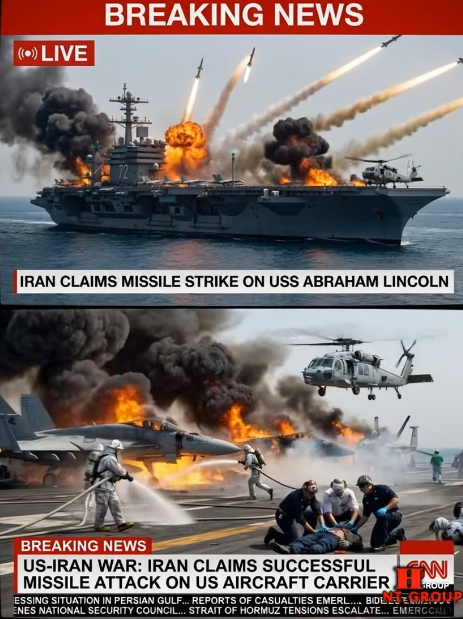
In a major new claim that could reshape the naval battlefield, Iran says it has successfully struck the USS Abraham Lincoln supercarrier with ballistic missiles in the Arabian Sea.
The Islamic Revolutionary Guard Corps (IRGC) released video footage and satellite images showing what they describe as direct impacts on the Nimitz-class carrier’s flight deck and superstructure. IRGC commanders declared that “multiple missiles penetrated the Lincoln’s defenses,” causing visible damage and forcing the vessel to reduce operations. “The second American aircraft carrier has now been hit,” they boasted, calling it a “historic achievement” against U.S. naval power.
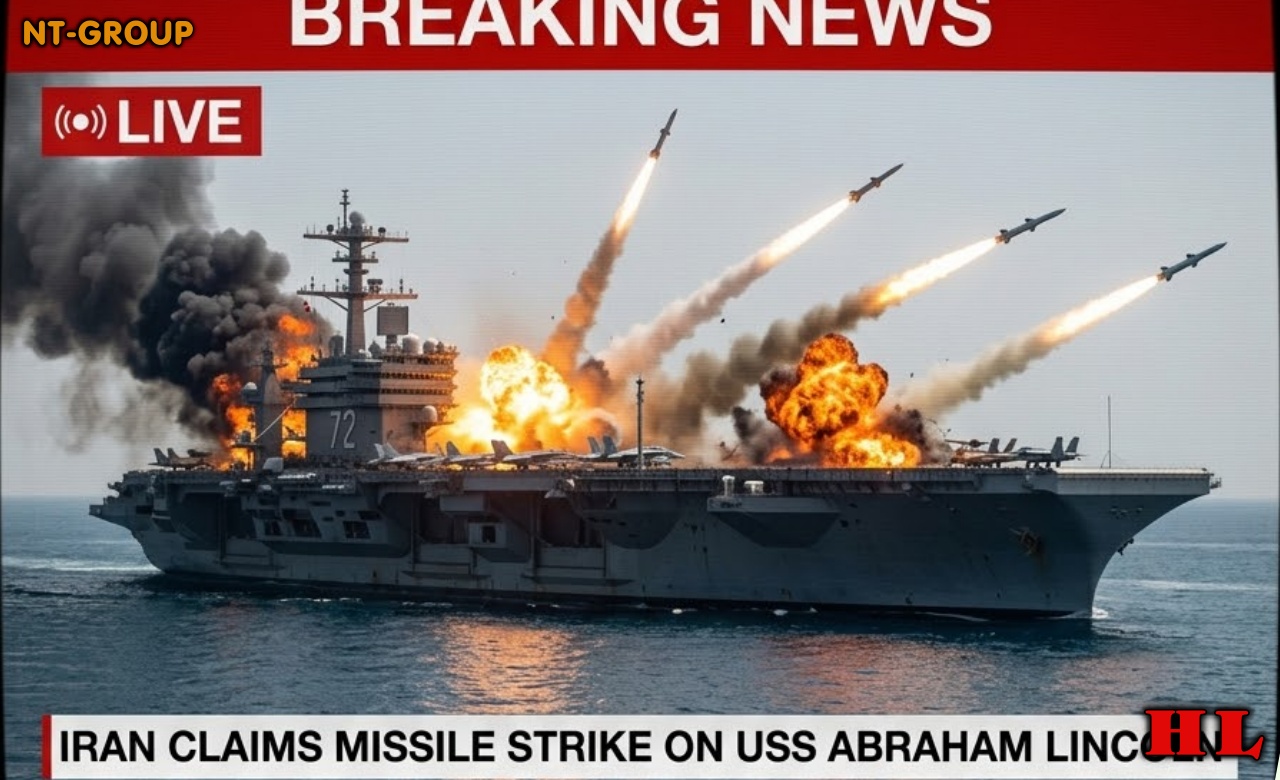
The Pentagon has strongly denied the claim, labeling it “Iranian propaganda” and stating that the Abraham Lincoln “sustained no significant damage” and remains fully mission capable. However, tracking data shows the carrier strike group abruptly changed course and moved further from Iranian waters shortly after the reported attack.
This latest claim comes as the USS Gerald R. Ford continues to suffer recurring fires and severely limited flight operations. With both of America’s most powerful supercarriers now facing serious challenges in the same theater, U.S. naval dominance in the Gulf is under unprecedented strain.
Operation Epic Fury has already cost the United States more than $11 billion in munitions in the first week alone. Critical radar systems across the region have been destroyed, interceptor stockpiles are running dangerously low, and multiple U.S. aircraft have been lost. Israel remains under heavy pressure from relentless Iranian missile barrages and Hezbollah rocket attacks.
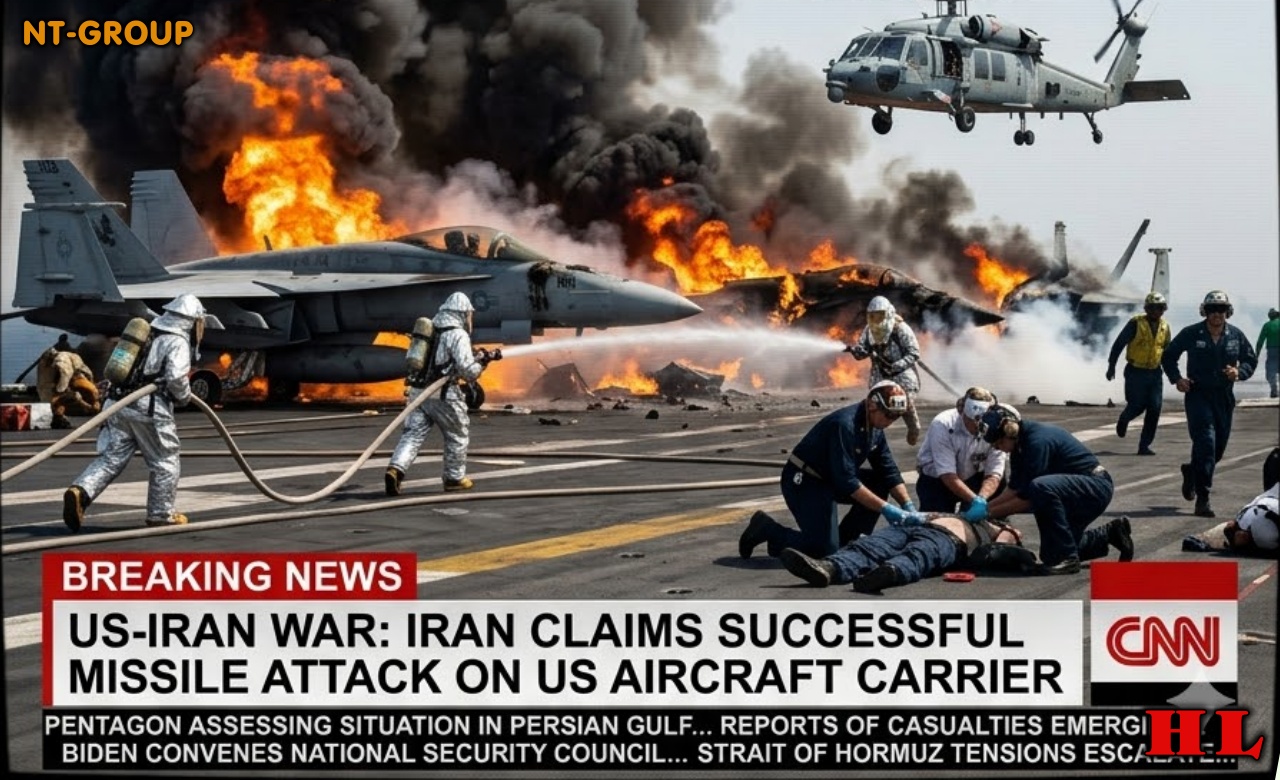
Supreme Leader Mojtaba Khamenei’s regime appears emboldened, repeatedly targeting high-value American ᴀssets despite weeks of intense bombardment. The strike claim on the Abraham Lincoln, if even partially accurate, would represent a serious psychological and tactical blow to Washington.
As conflicting reports continue to emerge, one thing is becoming increasingly clear: the war that was supposed to deliver a swift knockout punch against Iran is turning into a dangerous, high-stakes slugfest. America’s most prized naval ᴀssets are being directly challenged, and the cost — both in dollars and prestige — continues to climb.
The naval war has entered a dangerous new chapter. And Iran is showing no signs of backing down.