
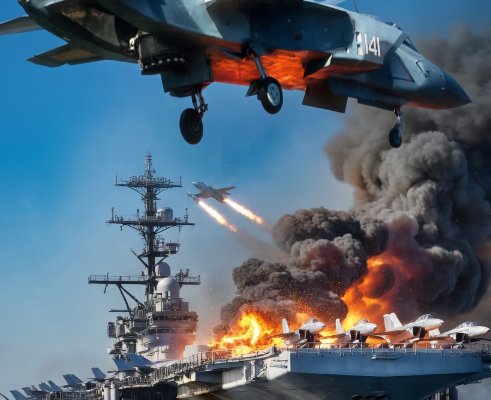
In a significant escalation of the 2026 conflict, reports indicate that an Iranian military unit successfully struck a U.S. F-35 fighter jet. The advanced aircraft, widely recognized for its superior stealth capabilities and defense systems, was conducting a mission over Iranian territory when the incident occurred.
Although the jet sustained critical damage, the pilot managed an emergency landing at a nearby U.S. base and is reported to be in stable condition. This event represents a pivotal shift in Middle East dynamics, marking the first time Iranian forces have successfully targeted this specific high-tech platform. Historically, while the United States has targeted Iranian military sites, Iran has largely relied on missile and drone strikes against allied forces. This direct hit on a sophisticated stealth asset suggests a rapid advancement in Iranian defensive measures and a departure from indirect confrontation toward more hazardous, direct engagement. The international community is monitoring the situation with growing concern as regional stability hangs in the balance. As both nations demonstrate an increased willingness to undertake high-risk military maneuvers, the potential for a broader international security crisis increases. This clash underscores the fragility of the current geopolitical climate and the narrowing technological gap in modern aerial warfare.