
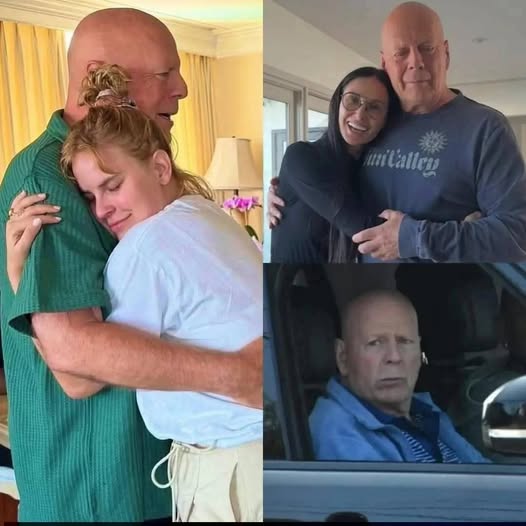
Bruce Willis, the legendary actor celebrated for decades of iconic roles in Hollywood, is facing one of life’s most challenging chapters: living with frontotemporal dementia (FTD). This progressive neurological condition affects behavior, communication, and decision-making, marking a profound shift for someone whose career was built on connection, expression, and presence in front of the camera.
The diagnosis was publicly confirmed after an earlier announcement that he had aphasia, a condition that impairs speech and the ability to find words. While aphasia often signals early neurological changes, FTD encompasses broader cognitive and behavioral challenges, affecting personality, emotional regulation, and practical functioning.
Despite these challenges, Bruce Willis is alive and surrounded by the unwavering care of his family. His wife, Emma Heming Willis, has emphasized that Bruce remains connected to his loved ones, experiencing joy and presence even as dementia impacts his ability to communicate fully.
This article explores not only Bruce Willis’s current situation but also the medical understanding of FTD, the caregiving process, the social implications of celebrity health announcements, and how awareness of neurodegenerative diseases can inspire empathy and action.
Understanding Frontotemporal Dementia
Frontotemporal dementia is a progressive neurodegenerative condition that primarily affects the frontal and temporal lobes of the brain. Unlike Alzheimer’s disease, which typically first affects memory, FTD often manifests as changes in behavior, personality, and language. Symptoms may include:
Difficulty speaking or understanding language (primary progressive aphasia)
Changes in social behavior and judgment
Emotional blunting or inappropriate reactions
Difficulty planning or executing complex tasks
FTD is relatively rare, accounting for about 10–15% of all dementia cases, and usually presents between the ages of 45 and 65, although cases can occur earlier or later. In Bruce Willis’s situation, his diagnosis reflects the later-onset form of the disease, underscoring the unpredictable nature of neurodegenerative disorders.
The Role of Aphasia
Aphasia is a language disorder caused by damage to the brain’s language centers. In FTD, aphasia may initially appear as difficulty finding the right words, speaking in fragmented sentences, or understanding complex conversation. For someone like Bruce, whose career depended on dialogue, timing, and expression, this change is particularly poignant, highlighting the personal impact of neurological disease beyond physical health.
Anosognosia: When Awareness Is Impaired
An intriguing neurological phenomenon called anosognosia often occurs in people with FTD and other forms of dementia. Anosognosia is the inability to recognize or be fully aware of one’s own illness.
For Bruce Willis, this means that while his family observes the progression of his dementia, he may not always realize the extent of his condition. Emma Heming Willis has explained that their approach focuses on accepting Bruce in the present moment rather than dwelling on what has been lost. This philosophy allows him to experience daily joys without the added burden of frustration or fear about his disease.
Family Support: The Heart of Care
Caring for someone with FTD requires not only medical oversight but also emotional intelligence, patience, and structured routines. Emma Heming Willis and the couple’s family have committed to creating an environment that emphasizes safety, comfort, and meaningful engagement. Key aspects of care include:
Daily structure: Consistent routines help reduce confusion and anxiety.
Communication strategies: Using simple language, visual cues, and non-verbal gestures to maintain connection.
Emotional support: Encouraging feelings of enjoyment and presence, rather than focusing solely on deficits.
Medical management: Coordinating with neurologists, therapists, and specialists to monitor symptoms and adjust care.
Caregivers of FTD patients face unique challenges, including managing behavioral changes and providing constant supervision as the disease progresses. The Willis family’s public openness about their experience has provided a model of compassion and resilience for other families navigating similar situations.
Public Reactions and Misconceptions
Bruce Willis’s diagnosis has been widely reported in media outlets, prompting both concern and misinformation. Some circulating rumors falsely claimed that he had passed away, which were quickly clarified by his family. Public reactions reveal several trends:
Empathy and support: Fans have expressed heartfelt concern and shared messages of encouragement for Bruce and his family.
Curiosity about medical details: People are interested in understanding FTD, aphasia, and the broader impact of neurodegenerative diseases.
Misinformation challenges: False reports can create unnecessary anxiety, highlighting the importance of relying on credible sources and family statements.
The transparency shown by the Willis family provides a rare opportunity to educate the public about dementia in a respectful and informative way, dispelling myths and fostering compassion.
Raising Awareness About Neurodegenerative Diseases
One of the positive outcomes of celebrity health announcements is their potential to increase awareness about serious medical conditions. FTD, in particular, is less well-known than Alzheimer’s disease, and many people may not recognize its symptoms in themselves or loved ones.
Educational takeaways from Bruce Willis’s story include:
Recognizing early warning signs, such as language difficulties, behavioral changes, or poor judgment.
Understanding that dementia is progressive, but supportive care can significantly improve quality of life.
Emphasizing the role of caregivers and support networks in managing symptoms.
Promoting research into treatments, therapies, and supportive interventions.
By openly discussing his health, Bruce Willis has inadvertently helped shine a light on a condition that affects thousands worldwide, encouraging conversations about neurodegenerative disease, caregiving, and empathy.
The Emotional Dimension
Living with dementia is not only a medical experience but also an emotional journey for both the patient and their loved ones. Families face grief, adjustment, and ongoing adaptation as the disease progresses. In Bruce Willis’s case, these emotions are amplified by public scrutiny and the ongoing media attention surrounding his career and health.
Emma Heming Willis has emphasized the importance of focusing on love, presence, and shared joy. Simple daily activities — listening to music, enjoying meals together, and sharing quiet moments — help maintain connections and preserve dignity despite the challenges of dementia.
Medical Community Insights
Neurologists and dementia specialists highlight that FTD requires multidisciplinary care, often involving:
Neurologists for ongoing assessment of brain function
Speech therapists for aphasia and communication challenges
Occupational therapists to support daily functioning
Psychologists or counselors to assist families with coping strategies
This holistic approach ensures that patients like Bruce Willis receive care that addresses both physical and emotional needs, reinforcing the importance of coordinated medical management in neurodegenerative conditions.
Lessons for Society
Bruce Willis’s experience offers broader lessons for society:
De-stigmatizing dementia: Open conversations help normalize discussions about cognitive decline.
Valuing caregivers: Families supporting loved ones with dementia provide critical, often underappreciated work.
Medical literacy: Understanding conditions like FTD empowers individuals to seek early diagnosis and care.
Compassionate media coverage: Accurate, sensitive reporting prevents harm and supports patients and families.
These lessons extend beyond celebrity cases, applying to millions of people living with dementia and their caregivers globally.
The Role of Research and Advocacy
While there is currently no cure for FTD, ongoing research is exploring treatments that may slow progression, manage symptoms, and improve quality of life. Advocacy organizations encourage public engagement, funding, and education to accelerate scientific understanding and support families affected by the disease.
Bruce Willis’s story, amplified by his fame, underscores the urgency of these efforts. Awareness campaigns inspired by high-profile cases can help fund research, support caregiver programs, and promote community resources for those affected.
Maintaining Dignity and Joy
One of the most inspiring aspects of Bruce Willis’s journey is the focus on maintaining dignity and joy in the face of illness. Despite challenges with speech, decision-making, and memory, Bruce continues to experience meaningful moments with family and friends.
Experts emphasize that creating environments where patients can enjoy daily activities, retain social connections, and feel valued is as important as medical interventions. Quality of life is central to care, reinforcing the principle that life with dementia can still be rich, fulfilling, and connected.
Conclusion: A Story of Courage, Awareness, and Love
Bruce Willis’s health journey, living with frontotemporal dementia while surrounded by the support of his family, is both deeply personal and universally resonant. It highlights the complexities of neurological disease, the importance of compassionate care, and the power of public awareness to foster understanding.
The actor’s story reminds us that while neurodegenerative illnesses pose significant challenges, they also present opportunities: opportunities for education, empathy, connection, and advocacy. Through the Willis family’s openness, the public gains insight into the realities of dementia, the vital role of caregivers, and the enduring value of presence, love, and dignity in the human experience.
By raising awareness and humanizing the condition, Bruce Willis continues to contribute to society not only through his celebrated career but also through the example of resilience, grace, and the profound impact of family care in the face of adversity.