

Missing persons investigations are among the most complex and emotionally charged cases handled by American law enforcement.
While many disappearances are resolved quickly, others evolve into prolonged investigations that require coordination between local agencies and federal authorities such as the Federal Bureau of Investigation.
When the FBI becomes involved in a missing persons case, it is typically due to specific criteria—interstate activity, evidence of kidnapping, potential federal crimes, or requests from local authorities.
Contrary to popular belief, the FBI does not automatically take over every disappearance. Instead, it operates through partnerships, task forces, and specialized forensic resources.
One of the most significant strategic tools in modern investigations is the public release of surveillance footage and forensic imagery.
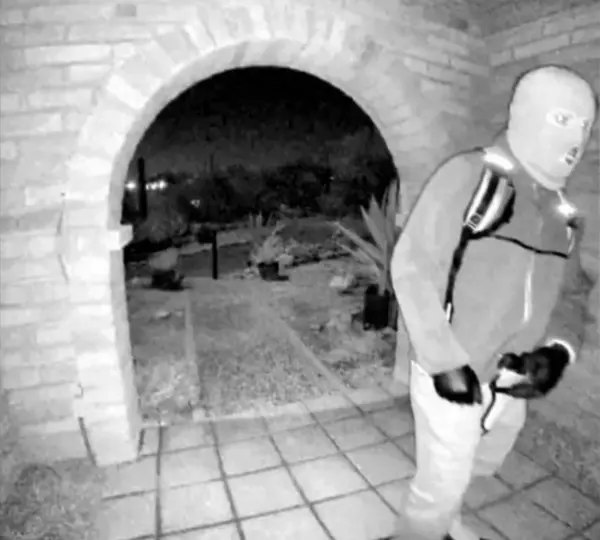
This step is not taken lightly. It usually signals either a breakthrough in evidence or a strategic pivot when investigators believe public assistance may generate new leads.
Why the FBI Releases Surveillance Footage
The release of surveillance video is often described by investigators as a “tactical escalation.” Before footage is made public, it undergoes extensive internal review.
Digital forensic experts analyze frame sequences, stabilize shaky recordings, enhance low-light imagery, and isolate relevant subjects.
In many cases, surveillance footage comes from:
- Residential doorbell cameras
- Commercial security systems
- Traffic cameras
- ATM or retail store video
- Parking lot surveillance
The rapid expansion of privately owned camera systems has fundamentally changed modern investigations. In suburban neighborhoods across the United States, dozens—sometimes hundreds—of cameras may capture activity on any given night.
While this creates an enormous amount of data, it also introduces a major challenge: separating meaningful evidence from background noise.
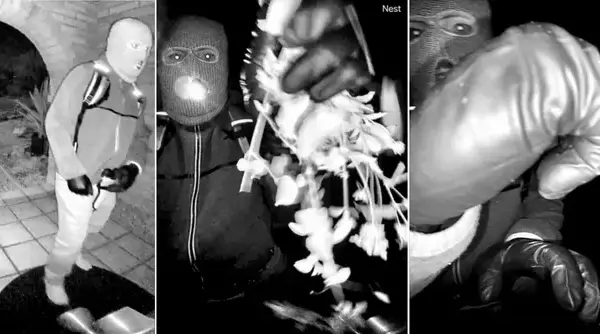
When footage is released, authorities typically ask the public to focus on small but recognizable details. A vehicle’s body shape, a distinctive walking pattern, or even clothing posture can trigger recognition from someone who knows the individual.
The FBI has repeatedly emphasized that seemingly minor observations can be critical. A tip that appears insignificant in isolation may align perfectly with existing forensic data, creating what investigators sometimes call a “mosaic effect”—a larger picture built from small fragments.
The Role of Digital Forensics
Modern missing persons investigations rely heavily on digital forensics. This field extends far beyond video enhancement. It includes:
- Cellular tower analysis
- GPS data extraction
- Financial transaction records
- Social media metadata
- Vehicle telematics
- Smart home device logs
Cellular tower pings, for example, can help investigators determine a device’s general location during specific time windows.
While not always precise to an exact address, tower data can establish movement patterns or confirm whether a device left a geographic area.

Financial records can reveal purchases, fuel stops, or ATM withdrawals. Even failed transactions can provide timeline markers.
When investigators refer to “digital breadcrumbs,” they are typically describing this combination of location and transactional data that helps reconstruct a subject’s last known movements.
Understanding “Touch DNA”
Another major advancement in forensic science is the use of “touch DNA.” This refers to microscopic skin cells left behind when a person handles or brushes against an object.
Unlike older forensic methods that required visible biological material, touch DNA analysis can sometimes identify individuals from trace contact.
However, it is a highly sensitive process. Laboratories must carefully avoid contamination and verify results through rigorous standards.
The FBI Laboratory Division is one of the most advanced forensic facilities in the world, processing evidence for federal, state, and local agencies. DNA analysis can take weeks or months, depending on complexity and backlog.
It is important to understand that DNA evidence alone does not automatically solve a case. It must be contextualized within a broader investigative framework, including timelines, witness statements, and digital evidence.
Behavioral Analysis and Profiling
In prolonged investigations, behavioral analysts may be consulted. The FBI’s Behavioral Analysis Units study patterns of criminal behavior to help guide investigative strategy.
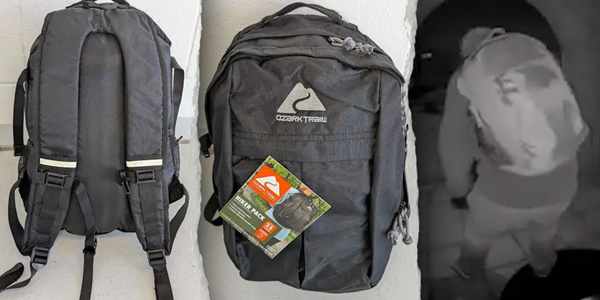
Profilers do not “predict” a suspect’s identity. Instead, they assess behavioral indicators such as:
- Level of planning
- Risk tolerance
- Familiarity with the area
- Victim-offender dynamics
For example, deliberate movements captured on surveillance footage may suggest premeditation rather than random activity. However, such assessments are always considered investigative guidance—not proof.
Search Warrants and Expanding Geographic Scope
As evidence accumulates, search warrants may be executed in areas beyond the initial disappearance site. Warrants are authorized by judges based on probable cause. They may allow investigators to search:
- Residences
- Vehicles
- Storage facilities
- Digital devices
- Rural or undeveloped land
In some cases, persons of interest may be detained briefly for questioning. Being a “person of interest” does not imply guilt. It simply means investigators believe the individual may have relevant information.
Federal task forces often coordinate with local sheriff’s departments, state police, and specialized units. The FBI’s Violent Crime Task Forces operate in multiple regions and combine federal resources with local jurisdiction knowledge.
The Psychological Impact on Communities
High-profile disappearances often transform neighborhoods. Residents who once felt secure may begin reviewing their own security footage more carefully.
Community vigilance increases, and local social media groups may circulate still images or vehicle descriptions.
Law enforcement agencies consistently urge caution against online speculation. While public assistance is valuable, misinformation can harm innocent individuals and compromise evidence integrity.
The chain of custody—the documented handling of evidence—is critical in criminal investigations. If digital files are altered, redistributed improperly, or edited outside official channels, they may become unusable in court.
The Role of the Public
Public tip lines are a central feature of federal investigations. Every credible tip is logged, categorized, and assessed. High-volume cases can generate thousands of tips within days of evidence release.
Investigators prioritize tips based on:
- Specificity
- Corroborating evidence
- Proximity to timeline
- Alignment with forensic data
Anonymous tips are accepted, though identified witnesses may provide more actionable follow-up.
It is not uncommon for a case breakthrough to stem from a single overlooked detail—someone recognizing a vehicle, recalling a conversation, or connecting behavior to released footage.
Building a Timeline
One of the most critical aspects of any disappearance investigation is establishing a precise timeline. Investigators attempt to account for each minute within the known window of disappearance.
This may involve synchronizing:
- Surveillance timestamps
- Phone activity logs
- Vehicle movement records
- Witness observations
- Digital assistant activity
Even small discrepancies in timestamp settings—such as cameras running a few minutes fast or slow—must be corrected to avoid misinterpretation.
The “signal-to-noise ratio” in suburban environments is especially challenging. Dozens of unrelated vehicles may pass through a neighborhood within hours. Analysts must determine which movements are routine and which deviate from normal patterns.
Why Public Releases Matter
When authorities release surveillance footage months into a case, it often signals that traditional investigative avenues have been exhausted or plateaued. It does not indicate failure. Instead, it reflects a strategic recalibration.
Crowdsourced identification has proven effective in multiple cases across the United States. Public recognition can move an investigation forward when internal databases yield no matches.
The FBI consistently states that they follow evidence wherever it leads, whether within a single jurisdiction or across state lines.
Commitment to Resolution
Missing persons cases are not just criminal investigations; they are deeply human experiences affecting families and communities.
Federal involvement brings advanced resources, but investigations often require patience, persistence, and careful evidence handling.
Field offices across the country remain active around the clock when major cases are underway. Every tip, every frame of video, and every forensic sample contributes to a larger evidentiary framework.
While technology continues to advance—improving video enhancement, DNA processing, and data analysis—the core objective remains unchanged: uncovering the truth through verified evidence.