
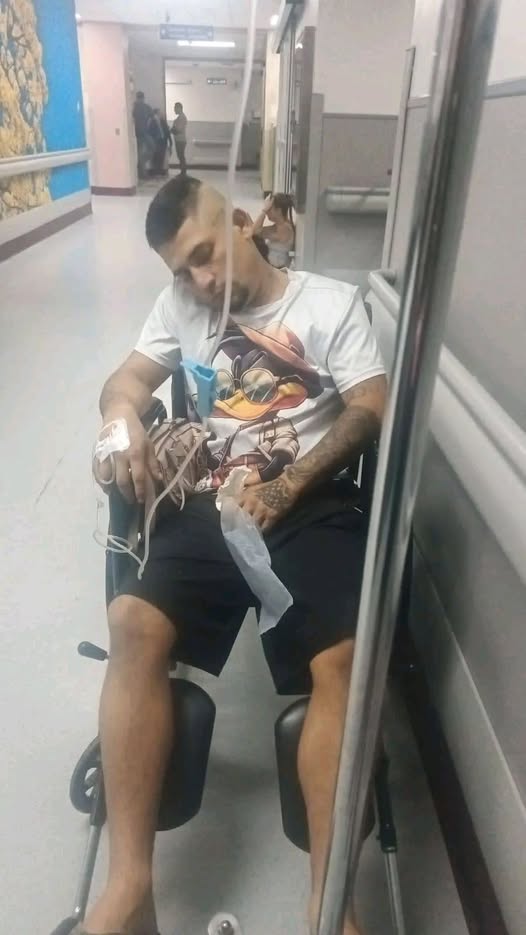
A heartbreaking incident has drawn attention to ongoing challenges within the healthcare system after a young man tragically lost his life in the corridor of a hospital in [Insert City]. Authorities have confirmed that the patient suffered a medical emergency and arrived in critical condition, but due to overwhelming pressure on hospital resources, he was unable to receive immediate care.
The devastating loss has left a family grieving, a community shaken, and officials facing renewed scrutiny over the state of emergency healthcare services.
A Critical Moment That Turned Fatal
According to preliminary reports, the young man was brought to the hospital in urgent need of medical attention. Witnesses and hospital staff indicated that his condition required immediate intervention.
However, due to overcrowding and limited available resources, medical personnel were unable to respond as quickly as needed.
Moments that might have made a difference slipped away.
Despite the efforts of staff working under pressure, the patient’s condition deteriorated, and he passed away in the hospital corridor—an image that has since become a powerful symbol of systemic strain.
Hospital Response and Statement
Hospital representatives expressed deep sorrow over the incident, emphasizing that staff did everything possible under extremely difficult circumstances.
In an official statement, the hospital acknowledged:
The facility was operating beyond capacity
Medical teams were handling multiple critical cases simultaneously
Emergency response times were impacted by overcrowding
They also confirmed that an internal review will be conducted to evaluate what happened and to identify areas for improvement.
“Our staff are deeply affected by this loss,” the statement noted. “We remain committed to learning from this tragedy and strengthening our systems to better serve patients in the future.”
Investigation Underway
The local health authority has launched an official investigation into the incident.
Officials stated that the review will focus on:
Emergency response procedures
Staffing levels during peak times
Availability of medical equipment and space
Communication between departments
Authorities stressed that understanding the full sequence of events is essential—not only for accountability, but for preventing similar situations from occurring again.
A System Under Pressure
This tragic event has reignited conversations about broader issues affecting healthcare systems in many regions.
Experts point to several key challenges:
1. Overcrowding
Hospitals are increasingly operating at or beyond capacity, especially in emergency departments. This leads to delays in care, longer wait times, and increased stress on medical staff.
2. Staff Shortages
A lack of sufficient doctors, nurses, and support personnel can make it difficult to respond effectively to emergencies, particularly during high-demand periods.
3. Limited Resources
Insufficient beds, equipment, and infrastructure can restrict a hospital’s ability to provide timely treatment.
4. Delays in Emergency Care
Even small delays in critical situations can have life-altering—or life-ending—consequences.
This case highlights how these factors can intersect in the most devastating way.
The Human Impact
Behind every headline is a person.
A life.
A family.
In this case, a young man whose future was cut short far too soon.
His family, now left to process an unimaginable loss, has asked for privacy during this difficult time. Their grief serves as a reminder that healthcare challenges are not just statistics—they are deeply personal stories.
Public Reaction and Growing Concern
News of the incident has sparked strong reactions from the public.
Many have expressed:
Frustration over healthcare system limitations
Concern about their own access to emergency care
Sympathy for both the victim’s family and the overworked medical staff
The situation has also fueled calls for increased investment in healthcare infrastructure and staffing.
The Burden on Healthcare Workers
While much of the focus has been on systemic issues, it is also important to recognize the pressure faced by healthcare professionals.
Doctors and nurses often work long hours in high-stress environments, making critical decisions under intense pressure.
In situations like this, they are confronted with an impossible reality—more patients than resources.
Many professionals describe this as one of the most challenging aspects of their work: knowing that they cannot always reach everyone in time.
Calls for Reform and Improvement
In response to the incident, experts and policymakers are calling for urgent action to address healthcare system gaps.
Proposed measures include:
Increasing hospital capacity
Hiring and retaining more medical staff
Improving emergency response protocols
Investing in modern equipment and infrastructure
Enhancing coordination between healthcare facilities
These changes, while complex, are seen as essential steps toward preventing similar tragedies.
The Importance of Accountability
Authorities have emphasized that the ongoing investigation will be thorough and transparent.
Accountability is a key component of rebuilding public trust and ensuring that lessons are learned.
At the same time, officials have urged the public to avoid speculation and to wait for verified findings before drawing conclusions.
A Wake-Up Call for the System
This incident serves as a stark reminder of the consequences of systemic strain.
It highlights the urgent need to:
Strengthen healthcare systems
Address long-standing resource gaps
Prioritize patient safety at every level
Without meaningful change, experts warn that similar situations could occur again.
Moving Forward
As the investigation continues in [Insert City], authorities have assured the public that improvements will be made.
While no action can undo what has happened, there is hope that this tragedy will lead to meaningful reform.
Final Thoughts
The loss of a young life in a hospital corridor is more than just a tragic event—it is a call to action.
It forces difficult but necessary questions about the systems meant to protect and care for people in their most vulnerable moments.
For the family, the pain is immeasurable.
For the community, the impact is profound.
And for the healthcare system, the message is clear:
Change is not optional—it is essential.