
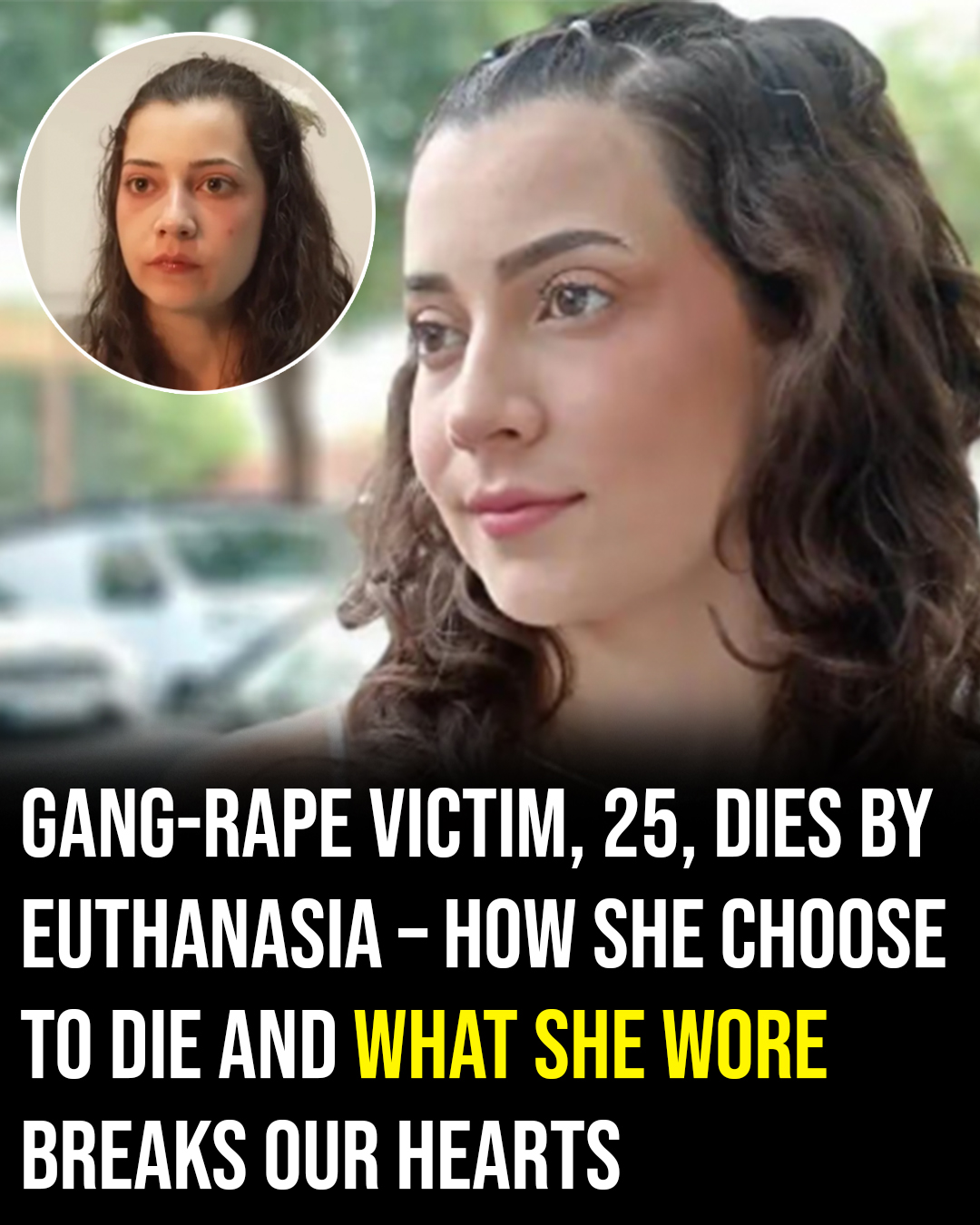
The story of Noelia Castillo Ramos has resonated far beyond Spain, stirring emotion and debate in equal measure.
At just 25, the Barcelona native chose euthanasia after years marked by trauma, chronic pain, and prolonged legal battles. In the days since her death, further details about her life—and her final moments—have continued to emerge, deepening the complexity of an already difficult case.
Noelia’s life had been shaped by repeated trauma. She was sexually assaulted on two separate occasions—first by a former partner, and later by multiple individuals while living in a state-run care facility in 2022. Only days after the second incident, she attempted to end her life by jumping from a fifth-floor window.
She survived, but the injuries left her paralyzed from the waist down.
From that point forward, she lived with persistent and severe physical pain, alongside psychological suffering that had no clear path to improvement. Her struggles, however, began years earlier. After her parents separated, she entered psychiatric care at the age of 13 and was later diagnosed with borderline personality disorder and obsessive-compulsive disorder. Reports also indicate a history of self-harm and prior suicide attempts.

Her request for euthanasia set off a lengthy and emotionally charged legal process—one that placed her in direct opposition to her own father.
“My father saw me fall and couldn’t do anything. But after everything he’s done, I don’t feel sorry for him anymore… He hasn’t respected my decision and he never will.”
Her application was approved by a specialized committee in Catalonia in mid-2024. However, her father, supported by a conservative legal group, challenged the decision through multiple courts, including Spain’s highest judicial bodies and the European Court of Human Rights.
Each ruling ultimately upheld her right to proceed.
In the final days of her life, Noelia spoke openly about her decision and her desire for relief.
“I’ve finally done it… Let’s see if I can finally rest because I can’t take this family anymore, the pain, everything that torments me from what I’ve been through.”
Her euthanasia took place at Sant Camil Hospital in Barcelona. According to reports, the procedure involved three stages: initial sedation, followed by deep unconsciousness, and finally the administration of medication that stopped her heart. The process itself lasted only a matter of minutes.
In the hours leading up to it, her family gathered around her. Her mother remained by her side throughout the night, while her father, siblings, and grandmother also came to say goodbye. Though the medical team had planned for her to be alone during the final stage, her family reportedly stayed with her longer than expected before stepping out.
In a final interview, Noelia also shared how she wished to face her last moments—with a sense of dignity and personal control.
“I want to die looking beautiful… I’ll wear my prettiest dress and put on make-up; it will be something simple.”
She chose to keep four personal photographs with her—symbols of moments in her life that held meaning beyond the suffering she endured.

Her decision left her family deeply divided. While her father continued to oppose the procedure, her mother remained present despite her own internal conflict.
“I am not in favor of euthanasia… but I will always be by her side until the very last moment.”
Noelia, however, was clear in her perspective:
“The happiness of a father, a mother, or a sister cannot be more important than the life of a daughter.”
Her case has reignited broader discussions about euthanasia, particularly in relation to mental health and long-term suffering. Spain legalized euthanasia in 2021 for individuals experiencing serious and incurable conditions, but cases like this continue to challenge public understanding of where ethical boundaries should lie.
Supporters argue that individuals enduring prolonged and unbearable suffering should have the right to decide how their lives end. Critics raise concerns about whether such laws sufficiently protect vulnerable individuals, especially those with complex psychological histories.
For many, Noelia’s story sits at the intersection of autonomy, trauma, and ethics—a reminder that these decisions are rarely simple and often leave lasting questions behind.
For Noelia herself, however, the decision appeared to come down to one clear desire:
Peace.