
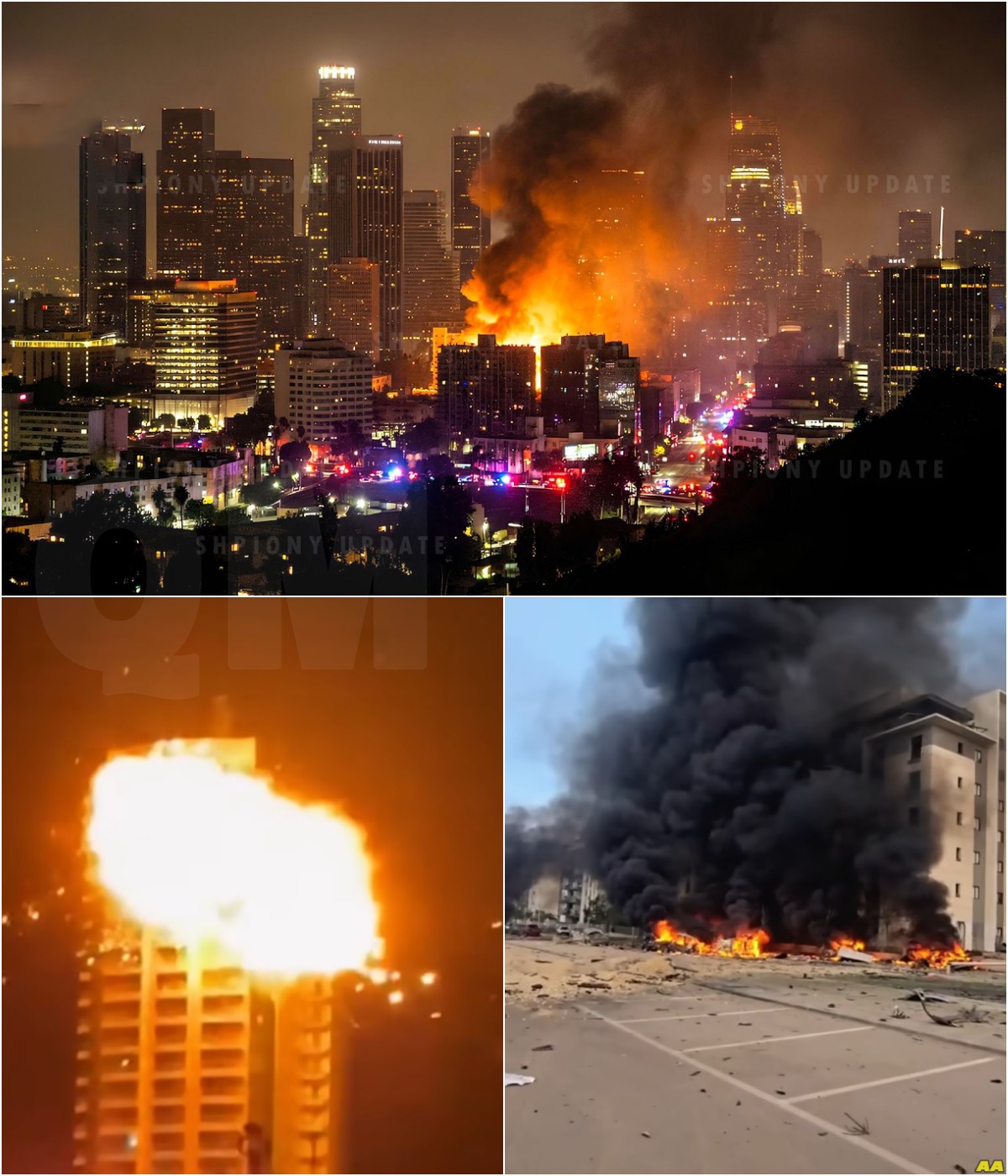
In recent hours, the geopolitical landscape has shifted dramatically.
This unprecedented action has sent shockwaves through the region and beyond, raising critical questions about the legality and morality of such interventions.
As the dust settles, the ramifications of this conflict are becoming increasingly apparent.
A Timeline of Escalation
Israeli forces initiated airstrikes targeting key military installations in Iran, citing the need to neutralize perceived threats.
In response, Iran launched a series of missile strikes aimed at both Israeli and American military assets in the region.
The Initial Strikes
The Israeli strikes were reportedly aimed at facilities believed to be involved in Iran’s nuclear program.
However, the timing and scale of the attacks have drawn widespread criticism, with many questioning whether such military action was warranted.
Iran’s Response
This response was not only a show of military strength but also a message to the international community that Iran would not stand idly by.
The Iranian government framed their actions as a necessary defense of national sovereignty and a response to aggression.
As the conflict escalates, the humanitarian implications are becoming increasingly dire.
Civilians in both Iran and Israel are caught in the crossfire, with reports of casualties and widespread destruction emerging from the affected areas.
The Civilian Toll
The international community has expressed deep concern over the plight of civilians, urging both sides to exercise restraint and prioritize the protection of innocent lives.
Humanitarian Aid Efforts
However, access to affected areas remains a significant challenge due to ongoing hostilities.
The need for humanitarian aid is urgent, and the international community must act swiftly to address the growing crisis.
The international response to the conflict has been mixed, with some nations condemning the actions of Israel and the U.S., while others express support for their military intervention.
Diplomatic Efforts
Countries such as Russia and China have called for immediate ceasefires and negotiations, emphasizing the need for dialogue rather than military confrontation.
There is a growing fear that this conflict could spiral into a larger regional war, drawing in neighboring countries and destabilizing the entire Middle East.
Key Questions for Consideration
As the situation unfolds, several critical questions remain unanswered.
Are these military actions justified under international law?
Why do civilians continue to bear the brunt of such conflicts?
These questions are not merely academic; they are vital to understanding the complexities of the situation and the potential paths forward.
Conclusion
The humanitarian consequences are severe, and the international community must take urgent action to address the crisis.
As we reflect on these events, it is essential to engage in thoughtful discussions about the nature of conflict, the principles of international law, and the moral implications of military intervention.
What are your thoughts on the justification of these attacks?
Do you believe they will lead to a more secure future or open the door to greater conflict?
In times of crisis, informed discussion is more important than ever.