
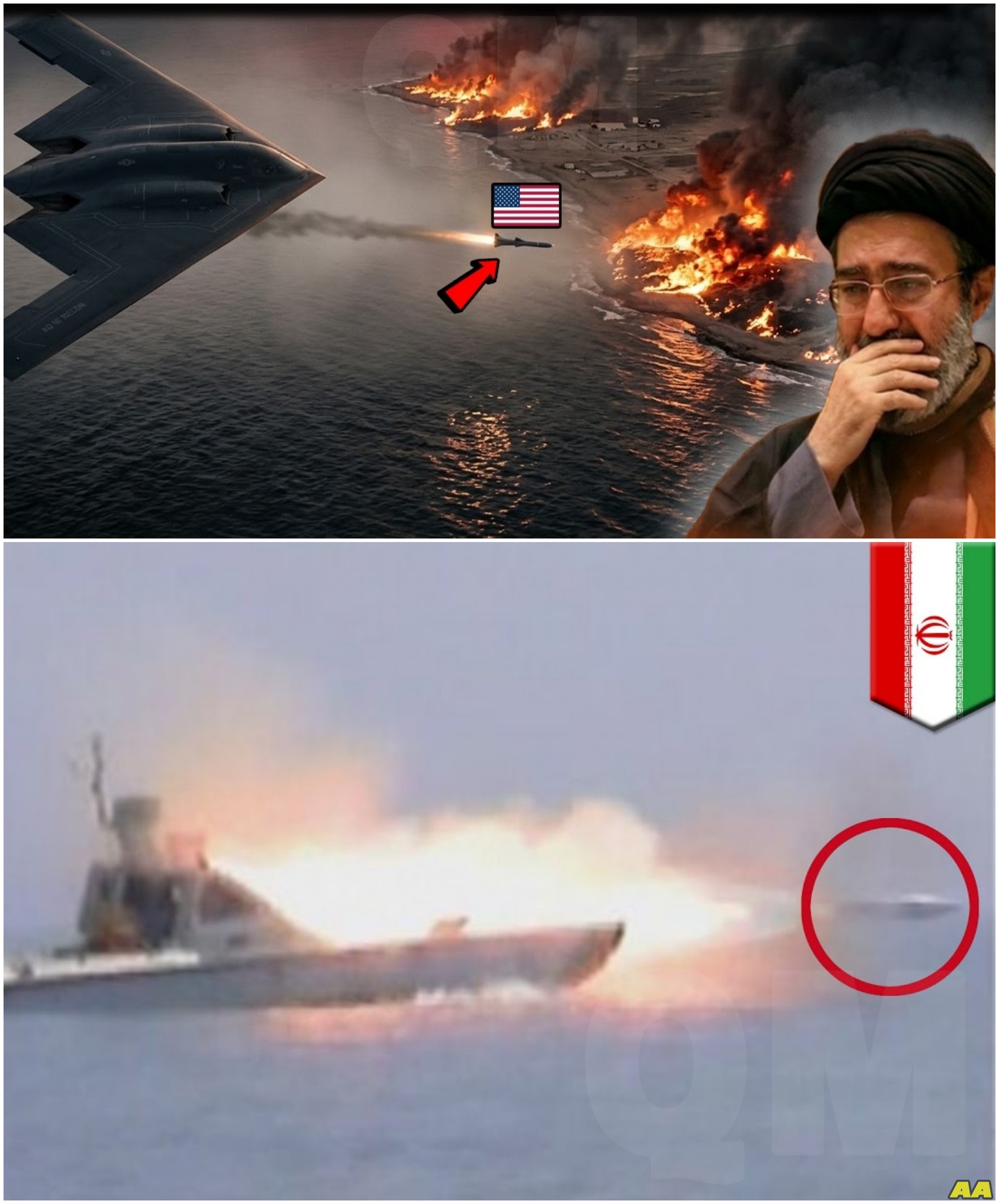
In the ever-evolving landscape of modern warfare, a new chapter has emerged that could redefine the rules of engagement.
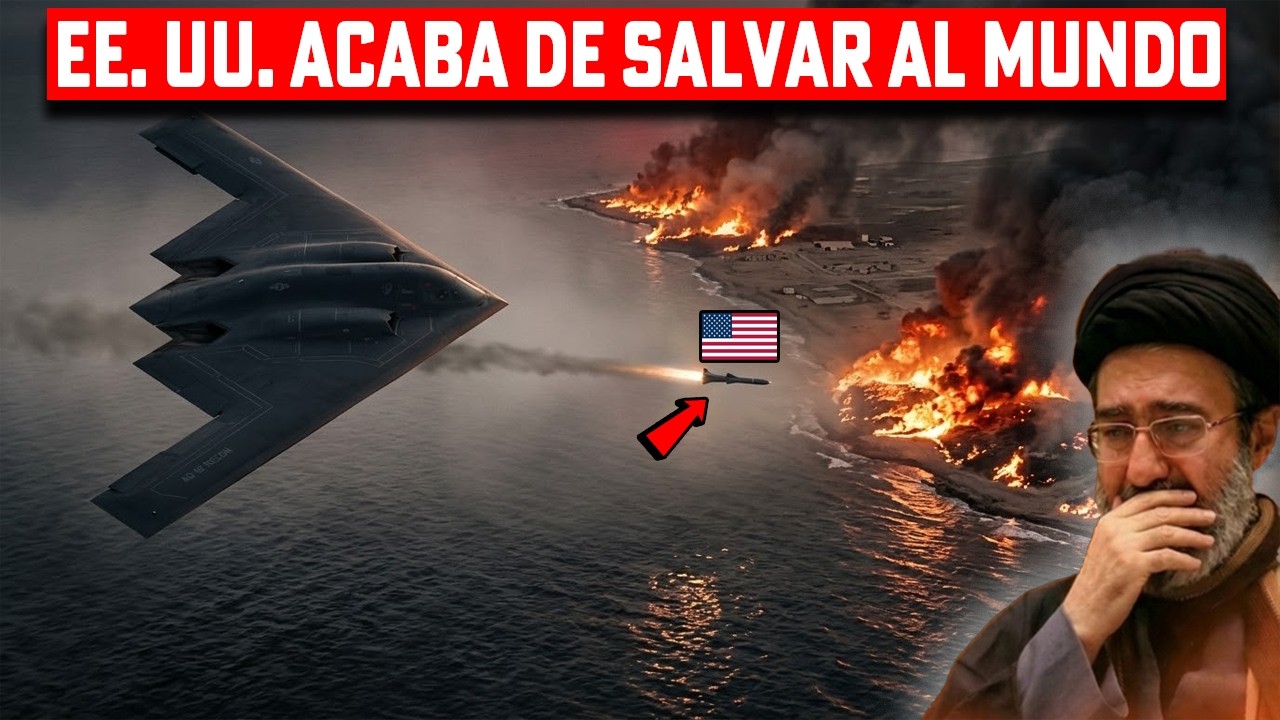
The recent use of deep-penetrating munitions by the United States marks a significant turning point in military strategy, particularly in the volatile region of the Strait of Hormuz.
This isn’t merely about a new weapon; it’s about a fundamental shift in how conflicts are fought and won.
As tensions escalate and the stakes rise, the implications of this development extend far beyond the battlefield.
The Context of the Conflict
For weeks, Iran has leveraged its hidden bases, mobile launchers, and underground systems to transform the Strait of Hormuz into a zone fraught with peril.
This narrow passage, crucial for global energy supplies, has become a pressure point where military posturing and strategic maneuvers play out against a backdrop of geopolitical tension.
Iran’s strategy relied on the element of surprise, utilizing its concealed assets to threaten maritime traffic and disrupt the flow of energy to the world.
However, this precarious balance is now under threat.
The introduction of a weapon capable of penetrating deep into fortified positions changes everything.
The New Weapon: A Game-Changer
What exactly makes this new bomb so special?
These deep-penetrating munitions are designed to reach targets that were previously thought to be untouchable.
They can destroy hidden facilities and launch platforms before they even come into action.
This capability is not just a technological advancement; it represents a paradigm shift in military strategy.
With these munitions, the U.S. has effectively neutralized Iran’s hidden threats, forcing a reevaluation of military tactics on both sides.
The message is clear: control of the Strait of Hormuz now hinges not only on who can threaten it but on who can eliminate that threat.
The Immediate Impact
In the hours following the deployment of these munitions, the balance of power in the Strait of Hormuz began to shift.
Maritime traffic, once paralyzed by the fear of Iranian retaliation, started to resume.
Energy markets, which had been on edge, began to stabilize as the threat of disruption diminished.
This newfound sense of security is not just a temporary reprieve; it signifies a potential long-term change in how military operations are conducted in this critical region.
However, the implications of this shift are far-reaching and complex.

The Cycle of Adaptation and Escalation
History has shown us that the introduction of new military capabilities often leads to a cycle of adaptation and escalation.
As the U.S. demonstrates its ability to neutralize threats, Iran and other actors will likely respond with their own adaptations.
This could manifest in new strategies, technologies, or alliances aimed at countering the U.S. advantage.
The question remains: will this lead to a period of stability, or are we witnessing the beginnings of an even larger escalation?

Analyzing Military Strategy
To fully understand the implications of this new weapon, we must analyze what it means for Iran’s military strategy.
For years, Iran has relied on asymmetric warfare tactics, using its hidden capabilities to exert influence and project power.
Now, with the U.S. capable of striking at the heart of these operations, Iran may need to rethink its approach.
This could lead to a shift toward more conventional military strategies or a greater reliance on proxy forces to carry out its objectives.
The dynamics of power in the region are shifting, and both sides must adapt to this new reality.
The Broader Implications for Global Security
The ramifications of this development extend beyond the Strait of Hormuz.
As a critical chokepoint for global energy supplies, any instability in this region can have widespread effects on international markets and security.
The ability of the U.S. to neutralize threats in this area could deter aggression from not only Iran but also other adversaries who might consider similar tactics.
This new military capability could reshape the strategic landscape, influencing how nations approach conflict and deterrence in the future.
Conclusion: A New Era of Warfare
As we reflect on this pivotal moment, it becomes clear that we are witnessing a transformation in the nature of warfare.
The introduction of deep-penetrating munitions represents more than just a technological advancement; it signals a shift in the balance of power and the way conflicts are conducted.
As the U.S. continues to adapt and innovate, other nations will be forced to respond, leading to a cycle of change that could redefine global security for years to come.
The question now is not just about military capabilities but about the broader implications for peace and stability in a world where the rules of engagement are constantly evolving.
In this new era of warfare, understanding the complexities of modern conflicts is crucial for navigating the challenges ahead.
As we continue to analyze these developments, one thing remains certain: the landscape of warfare is changing, and we must be prepared for whatever comes next.