
In an era where geopolitical tensions often simmer just below the surface, the naval might of the United States remains a formidable deterrent against potential threats.
But what if a coordinated attack were to challenge that strength?
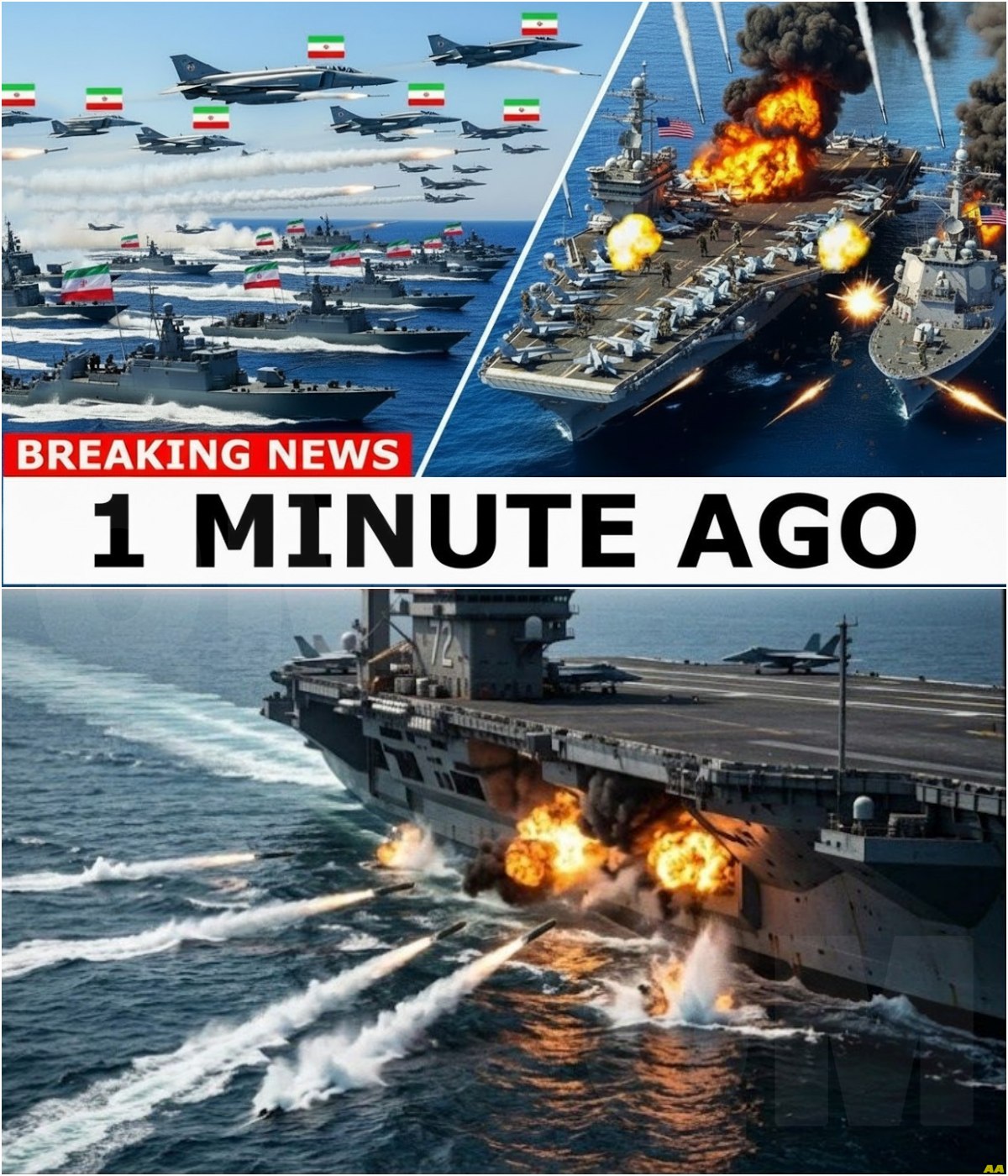
Imagine a scenario where 25 speed attack boats and 18 fighter jets launch a simultaneous assault on one of the most iconic symbols of American military power—the USS Abraham Lincoln.
This fictional scenario, while rooted in real combat principles, invites us to explore the complexities of modern naval warfare and the strategic responses that would unfold.

Setting the Stage
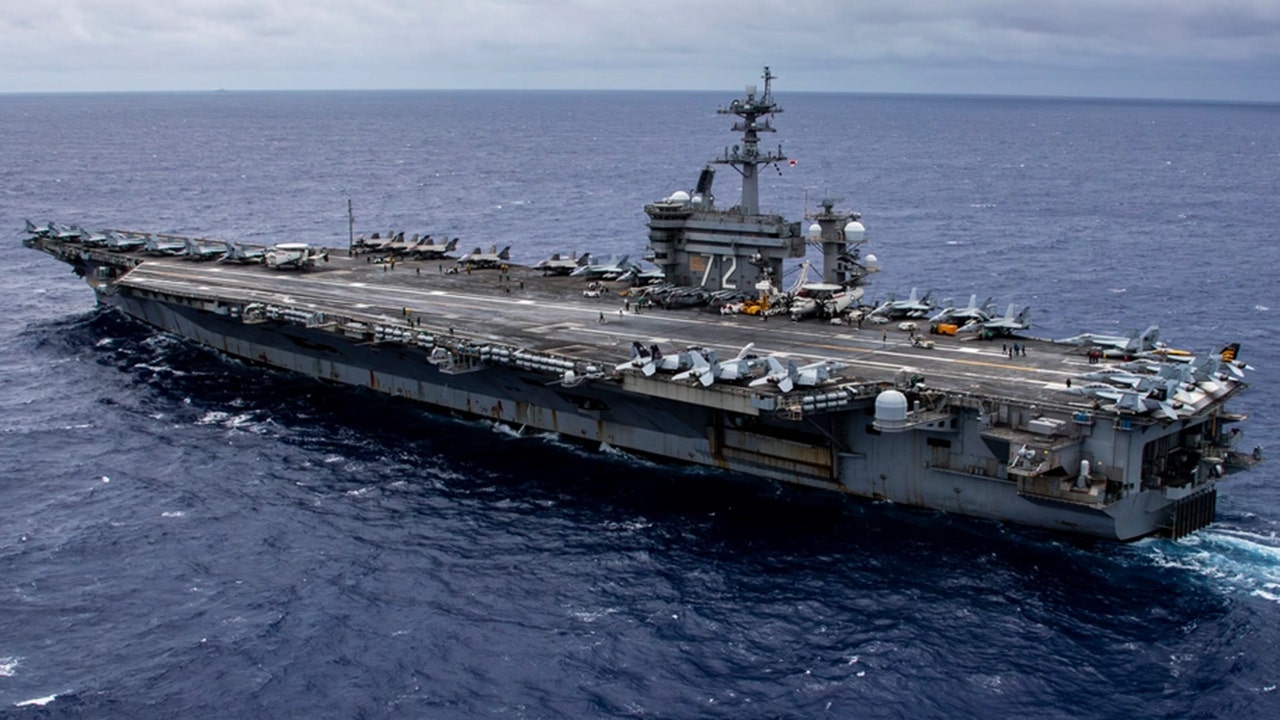
The USS Abraham Lincoln, a Nimitz-class aircraft carrier, serves as a floating fortress equipped with advanced technology and a skilled crew.
Its mission is to project power and maintain freedom of the seas.
However, in this imagined confrontation, the stakes are raised dramatically.
As the carrier group enters a high-threat engagement zone, the tension is palpable.
The Iranian forces, known for their asymmetric warfare tactics, have mobilized a formidable fleet of fast attack boats and air support, aiming to exploit any perceived vulnerabilities in the U.S. defense posture.

The Attack Begins
As dawn breaks, the tranquility of the sea is shattered by the roar of engines.
The Iranian speed attack boats, sleek and agile, dart across the waves, their intent clear.
Simultaneously, 18 fighter jets soar into the sky, creating a dual front of assault that tests the mettle of U.S. forces.
This coordinated strike is not just an act of aggression; it’s a calculated gamble designed to overwhelm the carrier’s defenses.
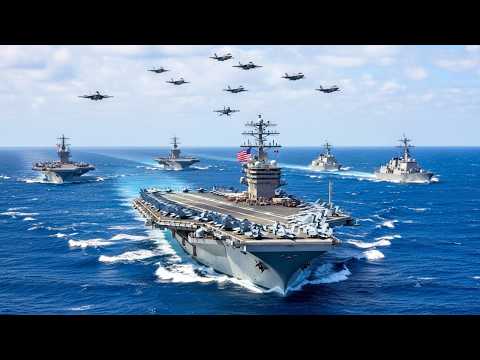
The U.S. Navy, renowned for its layered defense strategies, springs into action.
A network of radar systems detects the incoming threats, triggering a rapid response from the carrier group.
Layered Defense in Action
The first line of defense consists of the ship’s close-in weapon systems, designed to intercept fast-moving threats.
As the boats approach, the USS Abraham Lincoln’s Phalanx CIWS (Close-In Weapon System) rotates into action.
Its rapid-fire gun system unleashes a barrage of rounds, creating a protective shield around the carrier.
Meanwhile, the fighter jets take to the skies, engaging the incoming aircraft with precision and agility.
This layered defense strategy exemplifies the U.S. Navy’s commitment to maintaining superiority in contested environments.
Escalation and Counterattack
As the situation escalates, the U.S. Navy’s response becomes increasingly aggressive.
The carrier group, equipped with a variety of aircraft, launches a counteroffensive.
F/A-18 Hornets streak into the sky, armed with missiles and bombs, ready to engage the enemy.
The airspace becomes a battleground, with U.S. pilots executing complex maneuvers to outsmart their adversaries.
The chaos of war unfolds, showcasing the skill and bravery of the men and women in uniform.
The Human Element
In the midst of this fictional chaos, it is essential to recognize the human element of warfare.
Every decision made in the heat of battle carries weight—lives are at stake, and the outcomes can change the course of history.
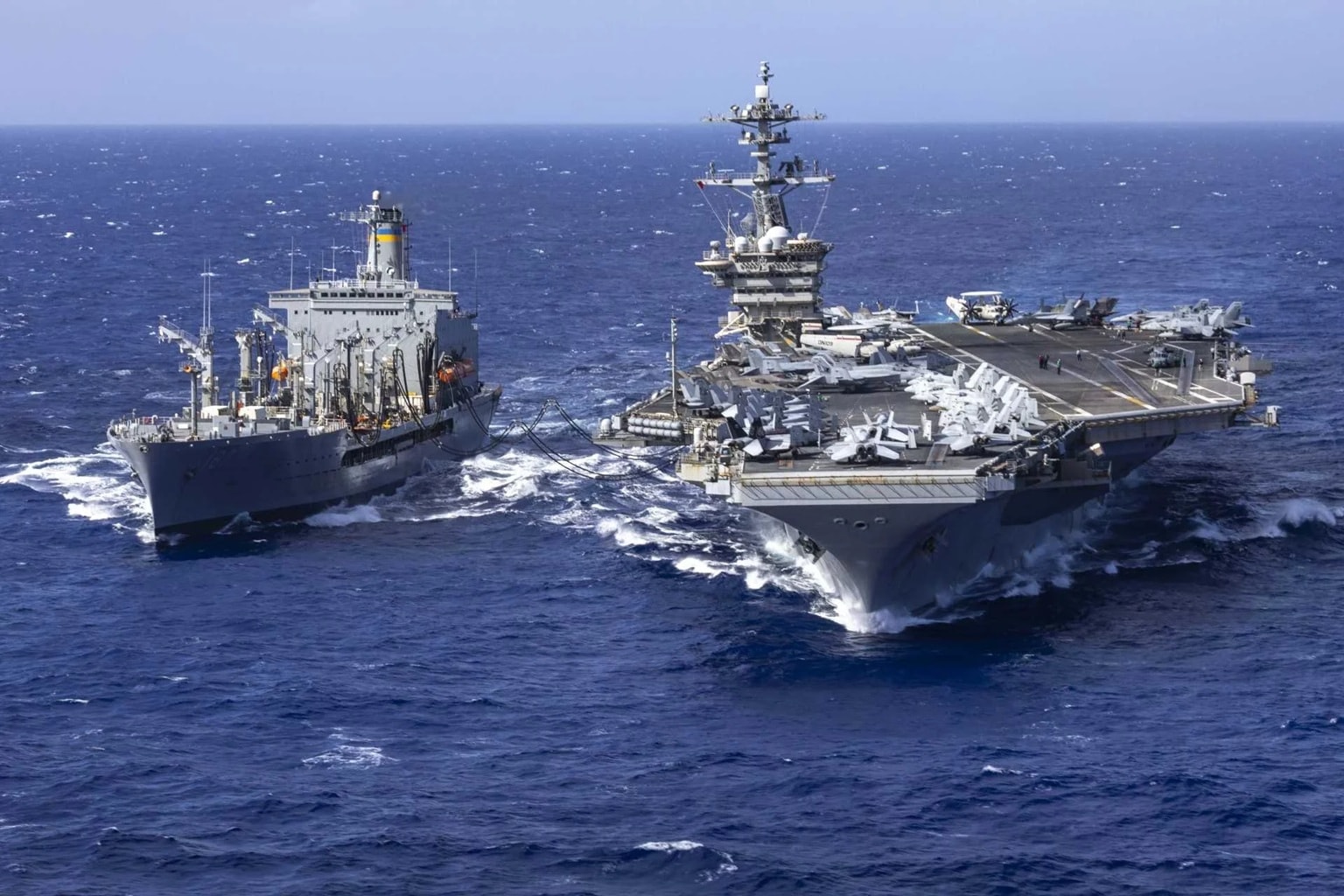
The crew aboard the USS Abraham Lincoln, trained to respond to threats, embodies resilience and professionalism.
Their training, honed through countless drills and simulations, prepares them for this very moment.
The Aftermath
As the dust settles and the smoke clears, the consequences of this hypothetical encounter come into focus.
The U.S. Navy’s layered defense has proven effective, but at what cost?
The fictional scenario highlights the complexities of modern warfare, where even a well-prepared force must remain vigilant against evolving threats.
This engagement, while imagined, serves as a reminder of the delicate balance of power at sea and the importance of readiness in an unpredictable world.
Conclusion
In conclusion, the fictional assault on the USS Abraham Lincoln presents a vivid exploration of naval warfare dynamics.
While inspired by real-world tactics and capabilities, this scenario underscores the need for continuous adaptation and innovation in military strategy.
As nations navigate the challenges of the 21st century, the lessons learned from such hypothetical engagements will shape the future of naval operations.
In the end, the strength of the U.S. Navy lies not just in its hardware, but in the dedication and skill of its personnel, who stand ready to defend freedom and protect national interests at a moment’s notice.
This thought-provoking scenario invites us to reflect on the realities of modern warfare and the enduring spirit of those who serve.