
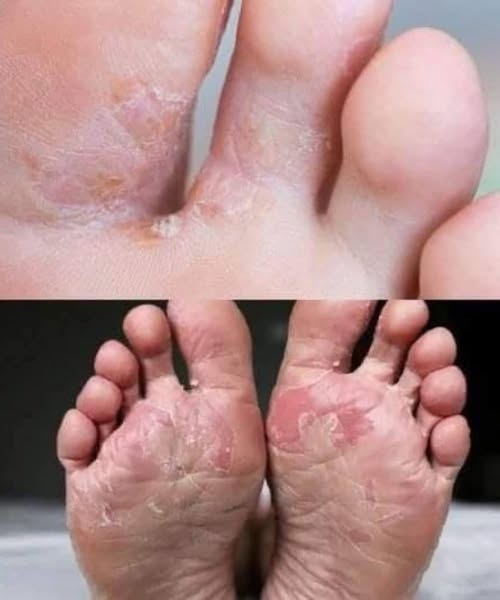
Diabetes is a condition that often develops quietly. In many cases, people may not realize they have it until symptoms become more noticeable or complications begin to appear. However, the human body has ways of signaling that something may be wrong — and surprisingly, your feet can be one of the first places where early warning signs appear.
This article explores how your feet can reveal potential warning signs, why these symptoms occur, and what steps you can take to protect your
Diabetes is a chronic condition that affects how the body processes blood sugar, also known as glucose. Glucose is essential for energy, but when blood sugar levels remain consistently high, it can lead to serious health issues over time.
Type 1 diabetes
Type 2 diabetes
Gestational diabetes
Among these, Type 2 diabetes is the most common and often develops gradually, sometimes without obvious symptoms in the early stages.
Because of this, many individuals may live with diabetes for years without knowing it. During this time, high blood sugar levels can begin to affect various parts of the body — including the nerves and blood vessels in the feet.
Reduced Blood Circulation
High blood sugar can damage blood vessels, making it harder for blood to flow efficiently to the extremities. This reduced circulation can lead to slower healing and changes in skin condition.
Nerve Damage (Neuropathy)
Over time, elevated glucose levels can damage nerves, especially in the feet. This condition, known as Diabetic Neuropathy, can affect sensation, making it difficult to feel pain, heat, or injury.
Because of these factors, even small issues in the feet can become more serious if not addressed early.
Common Warning Signs to Watch For
- Persistent Dry Skin and Cracks
If your feet appear unusually dry, rough, or cracked — especially if regular moisturizing doesn’t help — it could be a sign of reduced circulation or nerve changes.
- Dark Patches or Skin Discoloration
Changes in skin color, such as darkened areas or patches that resemble bruises but do not fade, may indicate circulation problems.
While discoloration can have many causes, persistent or unusual changes should be evaluated by a healthcare professional.
- Numbness or Tingling Sensation
One of the most well-known symptoms associated with diabetes is numbness in the feet. This can feel like:
Tingling
Burning
A “pins and needles” sensation
Reduced ability to feel touch
Numbness can be particularly concerning because it may prevent a person from noticing injuries, blisters, or cuts.
- Slow-Healing Wounds
Reduced blood flow and immune response can slow the body’s natural healing process, increasing the risk of infection.
- Swelling, Redness, or Warmth
Swelling or redness in the feet may indicate inflammation or infection.
- Changes in Nail or Skin Texture
Thickened nails, brittle skin, or unusual texture changes can also signal underlying issues.
While these changes may seem minor, they can sometimes be linked to broader health concerns and should not be ignored.Healthy recipe books
If left unmanaged, diabetes can lead to:
Nerve damage
Circulation problems
Increased risk of infections
Long-term damage to organs such as the heart and kidneys
Recognizing early warning signs — especially those visible on the feet — provides an opportunity to seek medical care and begin treatment before complications develop.
If you notice any of the symptoms mentioned above, it is important to consult a healthcare professional.
A blood sugar test
A physical examination
Additional tests if needed
These steps help determine whether diabetes or another condition may be responsible for the symptoms.
Managing and Protecting Your Health
If diabetes is diagnosed, proper management is essential.
Key strategies include:
- Blood Sugar Control
Maintaining stable blood sugar levels is the foundation of diabetes management. This may involve:
- Daily Foot Care
Taking care of your feet becomes especially important.
Recommended practices include:
Checking your feet daily for cuts or changes
Keeping them clean and dry
Moisturizing to prevent cracks
Trimming nails carefully
- Wearing Proper Footwear
Comfortable, well-fitting shoes can help prevent injuries and reduce pressure on the feet.
- Healthy Lifestyle Choices
A balanced lifestyle supports overall health and helps manage diabetes effectively
Paying attention to your body and noticing changes early can help you take proactive steps toward better health.
Simple habits — such as checking your feet regularly and seeking medical advice when something seems unusual — can make a significant difference.
Conditions such as dry skin, minor injuries, or temporary swelling can occur for many reasons.
A Balanced Perspective
While it is helpful to be aware of potential warning signs, it is equally important not to panic.
The goal is not to assume the worst, but to stay informed and take appropriate action when needed.
Final Thoughts
Your body often provides subtle signals when something isn’t quite right — and your feet can be an important part of that communication.
By paying attention to changes such as dryness, numbness, discoloration, or slow healing, you can take early steps toward protecting your health.
Sometimes, the smallest signs can carry the most important messages — and listening to your body may be one of the most valuable habits you can develop.