
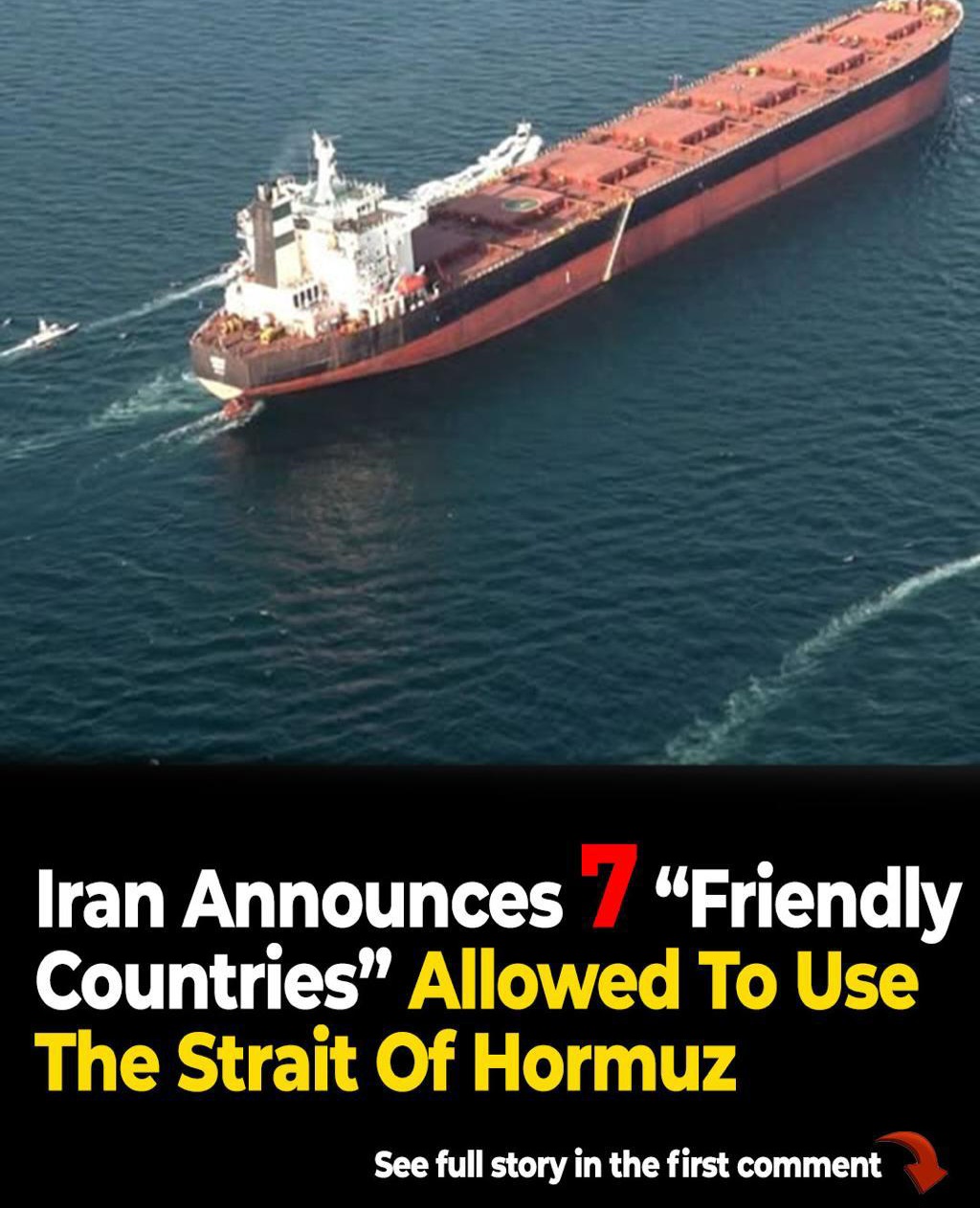
Iran’s first move through the Strait of Hormuz looked hard, deliberate, and politically selective. After the late February strikes, Iran signaled that some countries could still move through the waterway. Reuters reported on March 27 that Foreign Minister Abbas Araqchi named friendly nations, including China, Russia, India, Iraq, and Pakistan. That message suggested Iran was dividing passage by politics, pressure, and wartime interest. At that stage, the Strait of Hormuz looked less like an open trade route and more like a channel Iran would manage on its own terms. Yet the policy did not remain that narrow for long. Within days, Iraq received an exemption, vessels carrying essential goods won access, and Malaysia-linked ships were cleared. Reuters also reported recent crossings by ships linked to Oman, France, and Japan, provided they had no U.S. or Israeli ties. Shipowners, insurers, and governments are now reading every Iranian signal for signs of a wider reopening or a harder squeeze. A handful of tankers have passed, but the route is still dangerous and commercially strained. What began as a short list has become a shifting system of exemptions, conditions, and calculated leverage across the Strait of Hormuz. This article traces the latest updates to that initial list, examines how Iran’s position has changed, and looks at where passage through the Strait of Hormuz stands now.
The early version of the story had a clear internal logic. That is why the headline spread so fast. Iran had answered the late February strikes by restricting movement through the Strait of Hormuz. It then signalled that some countries could still pass. Reuters reported on March 27 that Foreign Minister Abbas Araqchi named friendly nations permitted through. The countries included China, Russia, India, Iraq, and Pakistan. That statement gave editors a usable frame. It suggested Iran was dividing shipping by politics. The idea also matched Tehran’s wider message. Iran had already told the International Maritime Organization that certain states lacked innocent passage rights. It named the United States, Israel and other participants in the attacks. Shipping, therefore, looked split into hostile and acceptable groups. Reuters also reported that China was pressing Iran over crude and Qatari LNG cargoes. Ship-tracking data showed one vessel moving after marking itself “China-owner.” That detail strengthened the first impression. Tehran seemed to reward states it viewed as useful. It also seemed ready to punish states tied to the war effort. For a breaking headline, that looked tidy and convincing. Yet even the first reports showed strain below the surface. Reuters said two Chinese container ships halted their attempt to leave the Gulf despite Iran’s assurances. A named country, then, did not receive a guaranteed corridor. It received a chance. That distinction matters. The first list was real as a political signal. It was never stable enough to explain the whole situation. The operational backdrop made that weakness harder to ignore.
UKMTO’s Joint Maritime Information Center said on March 6 that no formal legal closure had been declared. It also said, “the operational environment continues to reflect active kinetic hazard conditions.” The advisory warned mariners to “continue to exercise extreme caution.” It said attacks against commercial shipping still posed a high risk. Traffic data in that note showed how badly the route had tightened. Historically, daily transit averaged about 138 vessels. Recent reviews found only 4 confirmed commercial transits in the previous 24 hours. JMIC called that a near-total temporary pause in routine traffic. Reuters added the commercial picture. Analysts at Kpler and Vortexa said about 300 oil tankers remained inside the Strait. They were waiting for clarity that never truly arrived.
Kpler analyst Rebecca Gerdes told Reuters that safe passage “could not be guaranteed.” That short quote says more than the original list did. A government could name a friendly state. Owners still had to judge missile risk, insurance cost, crew safety, and the chance of reversal. Energy and trade bodies show why this mattered so widely. The International Energy Agency says nearly 15 million barrels a day of crude passed through Hormuz in 2025. That was about 34% of the global crude oil trade. UNCTAD says the Strait carries around one quarter of global seaborne oil trade. It also carries major LNG and fertilizer flows. Set beside the early Reuters reporting, the first headline starts to look incomplete. It captured the first diplomatic sorting. It did not capture the severe conditions shaping each transit decision.