
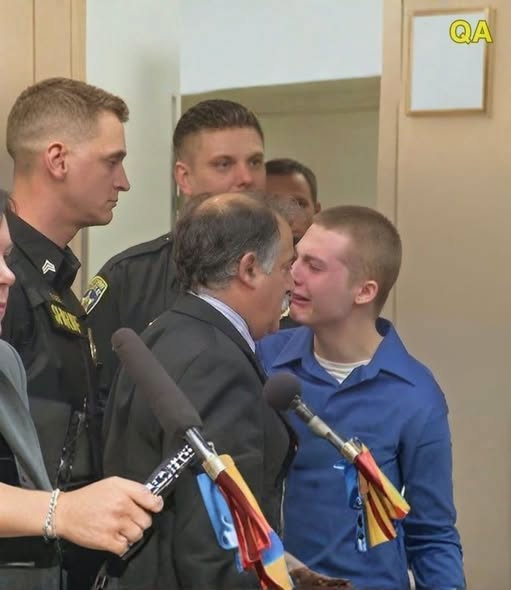
The gavel dropped and the room stopped breathing. A teenager was just sentenced to 452 years in prison, as victims wept and a nation watched in stunned silence. Is this justice, or a legal system lashing out in fear? As outrage collides with relief, one haunting question refuses to fade: when does punishment become someth
In the days after the sentence, the country split along a raw, jagged line. For the victims and their families, the ruling felt like the first moment the legal system truly saw them. Their stories of terror and loss echoed through the courtroom, and for many, 452 years still seemed too small a container for what had been taken. The sentence became a promise: this will never happen again, not from him.
Yet outside the courthouse, another story gathered force. Advocates, scholars, and ordinary citizens asked what it means to condemn a teenager to die behind bars. Neuroscientists reminded us that adolescent brains are still under construction; faith leaders spoke of redemption; legal experts warned of a system that confuses finality with fairness. In the end, this case did more than punish one young offender. It exposed a nation still undecided on whether justice is about who we fear, or who we are willing to forgive.